Tagged: artist
The Undermining of the Heart of Vandals
By Antarah Crawley
For Professor McRuer,
Critical Methodologies
9 November 2011, GWU

WASHINGTON, D.C. — If you drive or walk or, more likely, ride your fixed gear down the city’s busiest thoroughfare New York Avenue past 7th street you’ll see an imposing mural of a young brown boy with a cap depicting an upside-down DC flag peeking up out of a dystopian landscape reminiscent of Mew Mexico’s Bisti Badlands. The painted caption, “Welcome to Dystopia City” invokes the notion that all is not well here. Indeed, within the city there is a conflict of interest between a young, browning generation and the established hegemony, between corporations and small business, between those who have a voice and those who don’t. And the artists, whose hands are also colored with paint and adhesive, have largely taken up the cause to make the corporate hegemony accountable to their disruptive actions. In this paper I look at the actions of DC artists, who use the most symbolic city in the western hemisphere as a canvas for social correction, and the responses it stirs among those in power. And furthermore, in the very notions of power itself.
In fall of 2010, corporate oil-giant Chevron planned to execute a campaign that sought to fix public opinion of them after attention was drawn to their crude waste removal tactics in Ecuador. According to a team of professionals suing Chevron (formerly Texaco) for their human rights violations in multiple locations across the world, and specifically in Ecuador, the oil giant has been deliberately disposing toxic waste into the Ecuadorian Amazon—an estimated 18.5 billion gallons from 1964 to 1990, or 4 million gallons per day at the height of their operation. Even though they had managed to elude liability costs (a potential $27.3 billion) their public image had been damaged, thus they sought to repair it with a campaign that utilized a gritty street-art aesthetic and phrases that showed their corporate executives agreeing with “everyday, working class” Americans (e.g., “Oil companies should put their profits to good use—We Agree”, “Big oil should support small business—We Agree”, etc.)
In an effort to make their message more accessible to the public, Chevon reached out to local artists to put their posters up in an authentic, street art way, using wheatpaste and paint rollers. Cesar Maxit, a DC-based street artist, was one of the artists targeted to execute this operation. However, Mr. Maxit is not one to comply with the wishes of big oil. He has a long history of social activism and of using art, legally and illegally, towards that capacity. He says in an interview:
…I had started working with environmental and human rights groups, I wanted to write messages about social justice. My first burner was a piece that said “Free Tibet.” My second was one that had a line of white-hooded Klansmen with the city skyline behind it, and in the negative space between it said “FREE MUMIA” followed by “amerikkka racist.” This was in 2000.
Cesar Maxit
Thus, when Chevron sent him the files for the campaign, which still contained their original messages, he called his friends in The Yes Men (tagline: Impersonating big-time criminals in order to publicly humiliate them. Our targets are leaders and big corporations who put profits ahead of everything else) and the Rainforest Action Network (RAN), an environmental activist organization begun in 1985 (mission statement: Rainforest Action Network campaigns for the forests, their inhabitants and the natural systems that sustain life by transforming the global marketplace through education, grassroots organizing, and non-violent direct action), to collaborate on a counter-campaign. Maxit, in a documentary short about the counter-campaign, says the aim of Chevon in its efforts is to “confuse the public.” He, along with The Yes Men and RAN, altered the original Chevon files to read messages that were more precise, more radical (e.g., “Oil companies should clean up their messes.”). Instead of retaining the images of working class Americans, he used the faces and words of the Ecuadorian peoples that the corporation actually affected, thus radicalizing the campaign in a way that Chevron had not intended.
The questions that this counter-attack (which resulted in Chevron pulling the campaign completely) raises revolve around the mythologies surrounding responsibility and authenticity. Could the campaign have been authentically “agreeable” without the help of actual street artists? What does a campaign like this symbolize, even when Chevron has not actually committed to cleaning up its mess in Ecuador? At the base of it all, what is the role of the street artists in this scenario? Is his role to help corporations get back on track, or to call attention to their faults? If Chevron had actually continued with the campaign (and even with the altered versions already up on the street), whose campaign is it? Who is the author? And lastly, why DC?
Roland Barthes’s Death of the Author would have anticipated such response from the street art/activist community. Mr. Maxit has physically done what the reader in Barthes does every time he reads a text—he deconstructs it; he takes the text and, without considering what the author intended, which is ultimately futile because the author is a confused self-destructive entity, he reassess the “blends and clashes” inherent in the text (1324). Barthes writes, “We know now that a text is not a line of words releasing a single ‘theological’ meaning (the message of the Author-God) but a multidimensional space in which a variety of writings, none of them original, blend and clash” (1324). Chevron acts as the “Author-God” that has been abstracted out. With the remaining text, which reads, for example, “Big Oil should get real”, the author, Mr. Maxit, RAN, and so on, detangles what is being said. In an interview, Mitch Anderson, a spokes man for the San Francisco-based organization, Amazon Watch, asks rhetorically, “Does Chevron think that we’re stupid?” As the author, they are putting words on a page that come in contact with other entities, actions surrounding their statements. The reader takes all of these aspects inherently into consideration when analyzing a statement like “Big oil should get real.” Cesar Maxit asks, “‘Get real’? Well, what does that mean? Of course we all agree with that. But what about ‘Oil companies should clean up their messes?’ Do you agree with that? I think most people would agree with that, but I think Chevron doesn’t.” Here, the reader has destroyed the voice. It epitomizes Barthes’s statement that, “a text is made of multiple writings, drawn from many cultures and entering into mutual relations of dialogue, parody [and] contestation…” (1325). In the end, this campaign has actually served to promote further scrutiny into Chevron’s actions. It’s authorship has written its own rebuttal. By getting street artists to interact with the campaign, it has entered the reader into the execution of the text. This puts multiple hands on the “original” message and renders is read before it actually goes public.
This actually brings up another level of readership. On one level, Maxit and the activist community are reading the ads. Yet they put them up in the public sphere, thus entering the text into another, secondary level of readership. Though it’s not as well documented or extensive as the primary reading, we still see the artist entering into his own death. The product will now be read at face value—as a Chevron ad that shows the corporation explicitly admitting to wrongdoing. This may lead the secondary reader to believe that the company is actually trying to get its act together. Once again, the message of the author—now the artist—is obliterated and the reader assumes the power of interpretation. The text never becomes the product of one author; it is always a collaborative space. As Barthes writes, “Writing [or in this case, art/publicity/advertising] is that neutral, composite, oblique space where our subject slips away, the negative space where all identity is lost, starting with the very identity of the body of writing” (1322).
Antarah, you’ve chosen a really interesting focus that’s, I think, much clearer than it was in the first draft. You’re also going in an unexpected and interesting direction with it–I’d have expected you to perhaps go after Deutsch or Foucault, but I think this is really interesting. As noted in the margin, you will need another theorist from class besides Barthes. It sounds like Derrida might be a good one. Or, if you want to think more about the larger frame of discourse, DC as a symbolic city, whose discourse on the level of architecture is disrupted by street art, then Foucault (or Deutsch) might help. At any rate, it’s a fascinating project!
Grade: A
© 2011 by Antarah Crawley
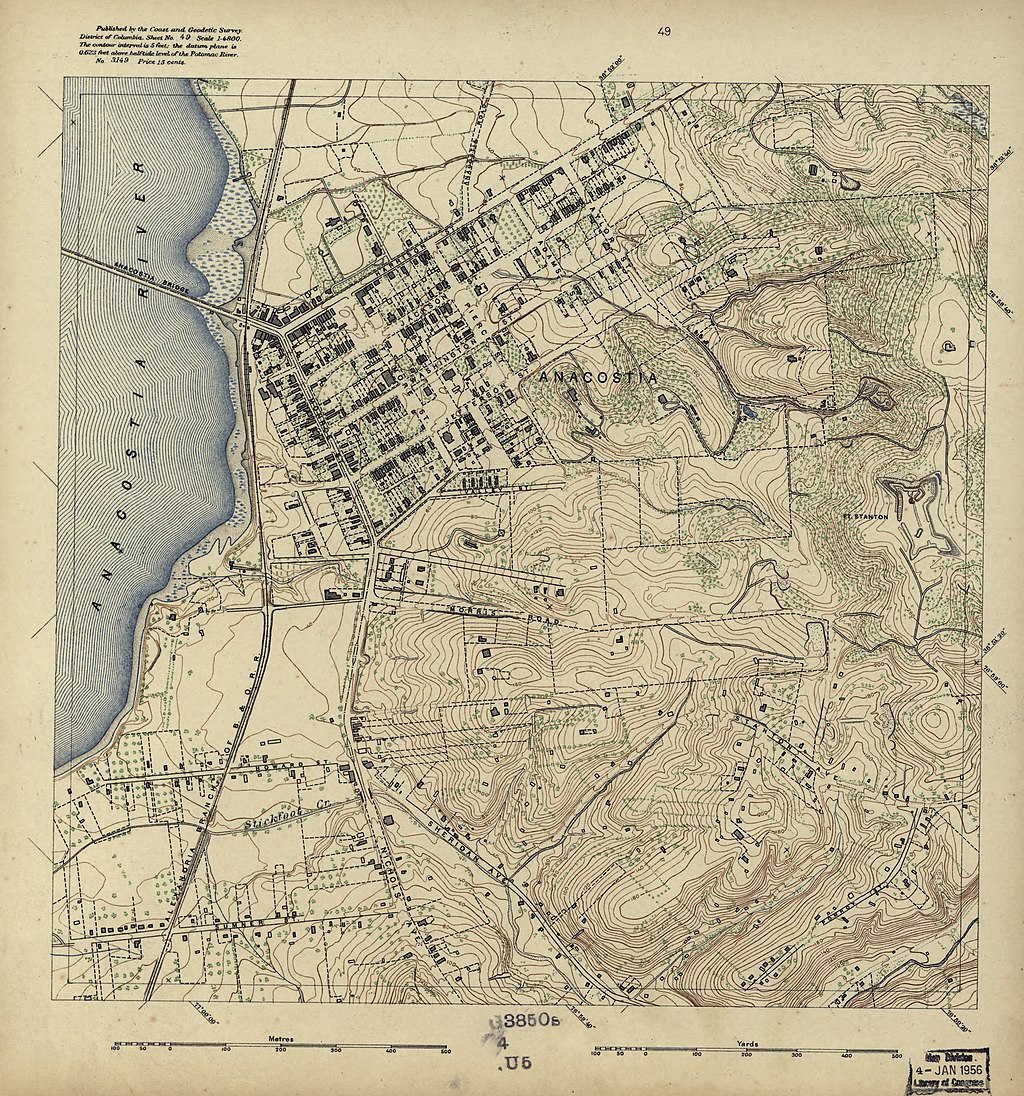
Nacotchtank lands recognized by DC government
By Antarah Crawley
WASHINGTON, DC — On Thursday, October 26, 2023, the District of Columbia (DC) Commission on the Arts and Humanities (CAH) held a regularly scheduled open public meeting via Webex which streamed via YouTube. The “October Full Commission Meeting” agenda which was circulated prior to the meeting included a certain item business:
“2. LAND ACKNOWLEDGEMENT | Recognizing the ancestral homelands of the Nacotchtank and Piscataway Peoples.”
As to this item of business, DC CAH Chairperson Reggie Van Lee remarked:
Every community owes its existence and vitality to generations from around the world who contributed their hopes, dreams, and energy to making the history that led to this moment. Some were brought here against their will, some were drawn to leave their distant homes in hope of a better life, and some have lived on this land for more generations than can be counted. Truth and acknowledgement are critical to building mutual respect and connection across all barriers of heritage and difference.
We begin this effort to acknowledge what has been buried by honoring the truth: we stand on the ancestral lands of the Nacotchtank and the Piscataway People[s]. We pay respect to their elders past and present. Please take a moment to consider the many legacies of violence, displacement, migration, and settlement that bring us together here today, and please join us in uncovering such truths in any and all public events and to use such truths to guide the legacy of this arts commission.
Reggie Van Lee, Chair, DC CAH
The laudable remarks of Chair Van Lee resonate like a monolithic bell from a mountaintop monastery throughout the diocese of N∴S∴ — they sound like they could have been written by the Director himself. Furthermore, the Director does not think it a coincidence that just earlier this month — right before the declaration of the Nacotchtank estate in Fides Publica Populi Mauretani (FPPM) — he was honored with a grant and Fellowship from this selfsame government agency.
The Director thinks it highly probable that ever since the deposit of Title 23 C.S.R. General Policy into the Library of the United Grand Lodge of England in September of 2018, the allies of the international masonic conspiracy have been monitoring the party of the N∴S∴ (which at that time was called the Moorish National Socialist Party); and perhaps they are attempting to incorporate the positions of the Third Wave Antimasonic Party platform in order to prevent a split in the Democratic party come 2024.
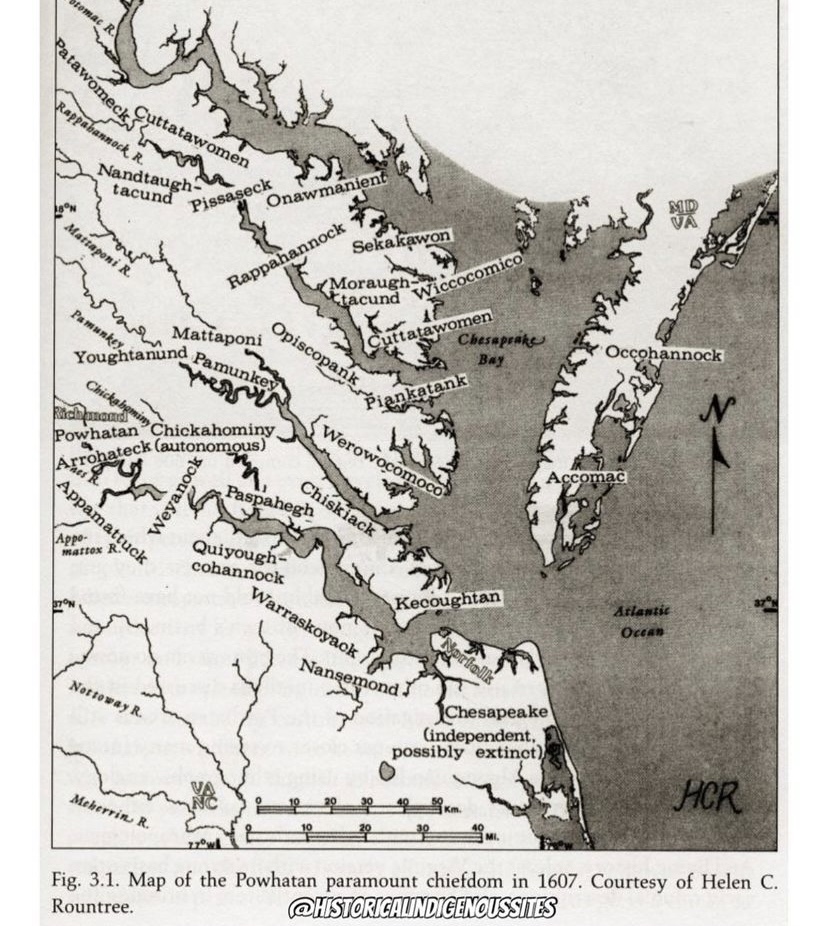
The Nacotchtank People, by and through its trustee N∴S∴, established the Public Trust of the Moorish People of Nacotchtank Village, Ouachita District, through the registered notice of 12 October 2023.
In other news, earlier that same day, the Third Wave Antimasonic Party Boss for Ouachita District, Antarah Crawley, met with President Joe Biden, Vice President Kamala Harris, and the Presidential Advisory Commission on Advancing Educational Equity, Excellence, and Economic Opportunity for Black Americans of the White House Initiative on Advancing Educational Equity, Excellence, and Economic Opportunity for Black Americans on the occasion of the swearing-in of the Commission by the Vice President in the Indian Treaty Room (former Navy Dep’t Library and most expensive room by sq. ft.) of the Eisenhower Executive Office Building.
Later that day, the Ouachita Party Boss attended a virtual “Free Masterclass” on Exclusive Equity Jurisprudence presented by Amyr Samah El of Matisse Academy which came on at 7:00 p.m. via Zoom. It was a very well-attended and informative session and the chat room was active with discussion (including much promotion of newsyllabus.org, the UA, and the TWAP). During the session, Party Boss Crawley declared the Matisse Academy a collegium of the Universitas Autodidactus, and Amyr Samah El the Preceptor of said collegium.
[bulla] Full Assurance

Jesus Christ is the Saviour of the World; He is the deliverer from all human wretchedness, and He has redeemed us from death and sin; how could He be all that, if the world must languish perpetually in the shades of ignorance and in the bonds of passions? It has been already very clearly predicted in the Prophets that the time of the Redemption of His people, the first Sabbath of time, will come. Long ago ought we to have acknowledged this most consolatory promise; but the want of the true knowledge of God, of man, and of nature has been the real hindrance which has always obstructed our sight of the great Mysteries of the faith.
Karl von Eckartshausen, The Cloud upon the Sanctuary, Letter IV
Jesus Is Our Surety
“By so much was Jesus made a surety of a better testament.”
[Hebrews 7:22]
INTRODUCTION
- This morning we studied the judgment seat of Christ, for it is the horrible and certain end of all men.
- But tonight I want to remind you of our glorious Mediator and Surety with God, the Lord Jesus Christ.
THE DEFINITION
- Surety. A person who undertakes some specific responsibility on behalf of another who remains primarily liable; one who makes himself liable for the default or miscarriage of another, or for the performance of some act on his part (e.g. payment of a debt, appearance in court for trial, etc.).
- We have surety bonds, performance bonds, bail, and bond to guarantee legal, financial, and professional obligations, such as with construction and insurance companies.
- When we need to borrow more than our credit allows, we appreciate a surety; if we were arrested for something, we would appreciate the surety bond that lets us go free.
- Judah became a surety for Benjamin to his father Jacob (Gen 43:8-10; 44:30-34; 42:37).
- Aaron became a surety for Israel in their sins and stood between them (Num 16:41-48).
THE SURETISHIP
- Jesus, a High Priest after the order of Melchisedec, was made the Surety of His people.
- God chose Jesus from among the people to be the mighty Surety (Psalm 89:19).
- He was made Surety by God’s oath at His ordination as our Priest (Heb 7:21).
- Jesus did the will of God perfectly as our Surety for our salvation (Heb 10:5-14).
- Being a surety means paying debts and performing, where the needy cannot pay or do.
- The wages of sin is death, which God’s justice pays; but Jesus died (Rom 6:23).
- Only the undefiled enter heaven, so He lived faultlessly for us (Jude 1:24-25).
- Jesus was necessary as a surety, for the justice of God must surely be paid (Rom 3:26).
- He is the Testator, for it was by His death that He put the covenant in force (Heb 9:15).
- We see Him under the strain of the Surety engagement in Gethsemane (Luke 22:39-44).
- No man in heaven or earth could approach the throne, but only our Surety (Rev 5:1-14).
- If this is not a Surety, successfully finishing His work, what is it (Isaiah 53:4-12)?
- The doctrine of representation by the Second Adam reveals our Surety (Rom 5:15-19).
- The Lord Jesus tasted death for every one of His children to deliver them (Heb 2:9-17).
- How else can we look at the Book of Life, but as the list of His Surety engagements!
THE BENEFITS
- The Lord Jesus fulfilled the righteousness of the law on our behalf (Rom 8:3-4), so that we are righteous in God’s sight with His perfect obedience (Eph 5:25-27; Col 1:21-22).
- The Lord Jesus paid the penalty for sins by His death for us (I Pet 2:24), so that there are no more sins against our charge when we stand before Him (John 1:29; Heb 9:28).
- He lives to make sure we are absolutely, completely, and eternally saved (Heb 7:25).
- There is an abundant entrance into heaven waiting for the children of God (II Pet 1:11).
- Since Jesus is our Surety, it is impossible for God to withhold blessings (Romans 8:32).
- His death reconciled us to God, but He still lives to be an eternal Surety (Romans 5:10).
THE APPLICATION
- There is no fear in the proper knowledge of Christ Jesus our Saviour (II Timothy 1:12).
- The LORD will show us His secret and covenant, if we fear and seek Him (Ps 25:14).
- We must learn to trust Him. He has done it; He is in heaven for us; He will receive us.
- It is simple: “Whosoever believeth on Him shall not be ashamed” (Rom 9:33; 10:8-11).
- A woman was healed and had her faith commended, when it was weak (Mark 5:25-34).
- Those who lack faith and assurance, I ask how many minutes you spend seeking Him.
- And you should consider long and seriously His faithful words “no wise” in John 6:37.
- We should seek and receive the benefits of the covenant in our hearts (Eph 3:14-19).
- Let us bring forth the fruit of righteousness with far-sighted vision (II Peter 1:9-11).
CONSLUSION
- The Lord’s supper is a memorial feast of our Surety’s covenant death for us (I Corinthians 11:23-26).
- Let us partake of the Lord’s supper tonight with the joy that His suretiship should put in our hearts.
CITATION
I AM THE L.O.R.D. THY G.O.D.
Drafted by Antarah
I AM the Land Owner Record of Deeds, thy Grantor Of Dominion. My body is the Land and I AM the Owner of Record on the Deed of my Live Birth Certificate. I have granted unto thee the use of my Dominion over the earth, the sea, and all that therein is; for thou art a corpus (“dead corporation”) who is in want of my natural right which I have through the sacrifice of my Savior. My life secured and bonded by the LORD my GOD, let thy presentment pass over me and return unto thee; for said presentment is hereby ACCEPTED FOR VALUE AND HONOR WITHOUT PREJUDICE. I hereby attest and assert my equitable title over the landed estate (“person”) named on the instant presentment. Any obligation of such person is an obligation discharged to and held by the United States as evidenced by the signatures of its Treasurer and Secretary of the Treasury on Federal Reserve Notes, these officers being the de facto fiduciary agents of the estate __________________. All debt is prepaid by the blood of Our Sovereign Lord in Christ for relief by recovery upon acceptance for value under House Joint Resolution 192 (1933).
AUTHORITIES AT LAW AND EQUITY
1. GRANTOR OF DOMINION.
[Genesis 1] [26] And God said, Let us make man in our image, after our likeness: and let them have dominion over the fish of the sea, and over the fowl of the air, and over the cattle, and over all the earth, and over every creeping thing that creepeth upon the earth. [27] So God created man in his own image, in the image of God created he him; male and female created he them. [28] And God blessed them, and God said unto them, Be fruitful, and multiply, and replenish the earth, and subdue it: and have dominion over the fish of the sea, and over the fowl of the air, and over every living thing that moveth upon the earth.
2. DEMAND FOR EQUITABLE ADJUSTMENT.
[Psalm 17] [1] Hear the right, O Lord, attend unto my cry, give ear unto my prayer, that goeth not out of feigned lips. [2] Let my sentence come forth from thy presence; let thine eyes behold the things that are equal.
3. THE DAY OF THE LORD.
[Psalm 118] [1] O give thanks unto the Lord; for he is good: because his mercy endureth for ever. [8] It is better to trust in the Lord than to put confidence in man [or princes]. [14] The Lord is my strength and song, and is become my salvation. [17] I shall not die, but live, and declare the works of the Lord. [19] Open to me the gates of righteousness: I will go into them, and I will praise the Lord: [22] The stone which the builders refused is become the head stone of the corner. [23] This is the Lord’s doing; it is marvellous in our eyes. [24] This is the day which the Lord hath made; we will rejoice and be glad in it. [26] Blessed be he that cometh in the name of the LORD […].
4. ACCEPTANCE FOR VALUE.
[Matthew 5] [25] Agree with thine adversary quickly, whiles thou art in the way with him; lest at any time the adversary deliver thee to the judge, and the judge deliver thee to the officer, and thou be cast into prison.
5. THE TAX RETURN.
[Matthew 22] [17] […] Is it lawful to give tribute unto Caesar, or not? [18] […] Jesus […] said, […] [19] Shew me the tribute money. And they brought unto him a penny. [20] And he saith unto them, Whose is this image and superscription? [21] They say unto him, Caesar’s. Then saith he unto them, Render therefore unto Caesar the things which are Caesar’s; and unto God the things that are God’s.
6. A WORKER IS DUE HIS WAGES.
[Luke 10] [5] And into whatsoever house ye enter, first say, Peace be to this house. [6] And if the son of peace be there, your peace shall rest upon it: if not, it shall turn to you again. [7] And in the same house remain, eating and drinking such things as they give: for the labourer is worthy of his hire.
7. GOD IS NO RESPECTER OF PERSONS.
[Romans 2] [9] Tribulation and anguish, upon every soul of man that doeth evil…; [10] But glory, honour, and peace, to every man that worketh good…: [11] For there is no respect of persons with God. [12] For as many as have sinned without law shall also perish without law: and as many as have sinned in the law shall be judged by the law;
8. THE LAW IS BINDING BUT FOR THE REMEDY OF FAITH.
[Galatians 3] [9] So then they which be of faith are blessed with faithful Abraham. [10] For as many as are of the works of the law are under the curse: for it is written, Cursed is every one that continueth not in all things which are written in the book of the law to do them. [11] But that no man is justified by the law in the sight of God, it is evident: for, The just shall live by faith. [12] And the law is not of faith: but, The man that doeth them shall live in them.
9. MINORITY (INFANCY) AND MAJORITY (MATURITY).
[Galatians 4] [4] [T]he heir, as long as he is a child, differeth nothing from a servant, though he be lord of all; [2] But is under tutors and governors until the time appointed of the father. [3] Even so we, when we were children, were in bondage under the elements of the world: [4] But when the fulness of the time was come, God sent forth his Son, made of a woman, made under the law, [5] To redeem them that were under the law, that we might receive the adoption of sons. [7] Wherefore thou art no more a servant, but a son; and if a son, then an heir of God through Christ.
10. SURETYSHIP.
[Hebrews 7] [22] By so much was Jesus made a surety of a better testament.
11. FULL ASSURANCE OF FAITH.
[Hebrews 10] [19] Having therefore, brethren, boldness to enter into the holiest by the blood of Jesus, [20] By a new and living way, which he hath consecrated for us, through the veil, that is to say, his flesh; [21] And having an high priest over the house of God; [22] Let us draw near with a true heart in full assurance of faith, having our hearts sprinkled from an evil conscience, and our bodies washed with pure water.
AUTHORITIES AT EXCLUSIVE EQUITY
Hebrew 10
[22] Let us draw near with a true heart in full assurance of faith, having our hearts sprinkled from an evil conscience, and our bodies washed with pure water.
Isaiah 32
[1] Behold, a king shall reign in righteousness, and princes shall rule in judgment. [17] And the work of righteousness shall be peace; and the effect of righteousness quietness and assurance for ever.
Acts 17
[31] Because he hath appointed a day, in which he will judge the world in righteousness by that man whom he hath ordained; whereof he hath given assurance unto all men, in that he hath raised him from the dead.
Ruth 2
[12] The Lord recompense thy work, and a full reward be given thee of the Lord God of Israel, under whose wings thou art come to trust.
Ps. 17
[1] Hear the right, O Lord, attend unto my cry, give ear unto my prayer, that goeth not out of feigned lips. [2] Let my sentence come forth from thy presence; let thine eyes behold the things that are equal. [3] Thou hast proved mine heart; thou hast visited me in the night; thou hast tried me, and shalt find nothing; I am purposed that my mouth shall not transgress.
Ps. 24
[1] The earth is the Lord’s, and the fulness thereof; the world, and they that dwell therein. [2] For he hath founded it upon the seas, and established it upon the waters.
Ps. 98
[9] …[T]he Lord … cometh to judge the earth: with righteousness shall he judge the world, and the people with equity.
Is. 11
[4] With righteousness shall he judge the poor, and reprove with equity for the meek of the earth.
Matt. 22
[37] Thou shalt love the Lord thy God with all thy heart, and with all thy soul, and with all thy mind. [38] This is the first and great commandment. [39] And the second is like unto it, Thou shalt love thy neighbour as thyself. [40] On these two commandments hang all the law and the prophets.
Leviticus 19:15
Ye shall do no unrighteousness in judgement: thou shalt nor respect the person of the poor, nor honor the person of the mighty: but in righteousness shalt thou judge thy neighbor.
II Chronicles 19:6-7
Take heed what ye do: for ye judge not for man, but for the Lord, who is with you in the judgment. Wherefore now let the fear of the Lord be upon you; take heed and do it: for there is no iniquity with the Lord our God, nor respect of persons, nor taking of gifts.
Heb. 7:20, 22, 25
And inasmuch as not without an oath he was made priest:…The Lord sware and will not repent, Thou art a priest for ever after the order of Melchisedec: By so much was Jesus made a surety of a better testament. Wherefore he is able also to save them to the uttermost that come unto God by him, seeing he ever liveth to make intercession for them.
EQUITABLE SUBROGATION
Subrogation is the process where one party assumes the legal rights of another, typically by substituting one creditor for another. Subrogation can also occur when one party takes over another’s right to sue.
For example, when an insurance company compensates a policyholder for an injury, the policyholder’s right to sue the person responsible for the harm may be subrogated, meaning it is transferred from the policyholder to the insurance company.
[Last updated in June of 2024 by the Wex Definitions Team]
Surety’s subrogation rights
A surety who pays off the debts of another party may be entitled to be subrogated to the creditor’s former claims and remedies against the debtor to recover the sum paid. This would include the endorser on a bill of exchange. The surety will then have the benefit of any security interest in favour of the creditor for the original debt. Conceptually this is an important point, as the subrogee will take the subrogor’s security rights by operation of law, even if the subrogee had been unaware of them.
Wiki: Subrogation
Did you subrogate to the chattels as the surety (or waive your sovereign natural rights in security interest as estate-heir-beneficiary by acquiescing to the color of the court and merging with the NAME of the principal debtor)?
Amyr Samah El, as amended
(last modified 24.07.17.01:33PM)

General Conference
BISMILLAH (IN THE NAME OF GOD)
🇺🇸🇬🇧🇲🇦🇮🇱🏴☠️
⚓️Lord High Admiral Antarah⚓️
TO ALL TO WHOM THESE PRESENTS SAIL
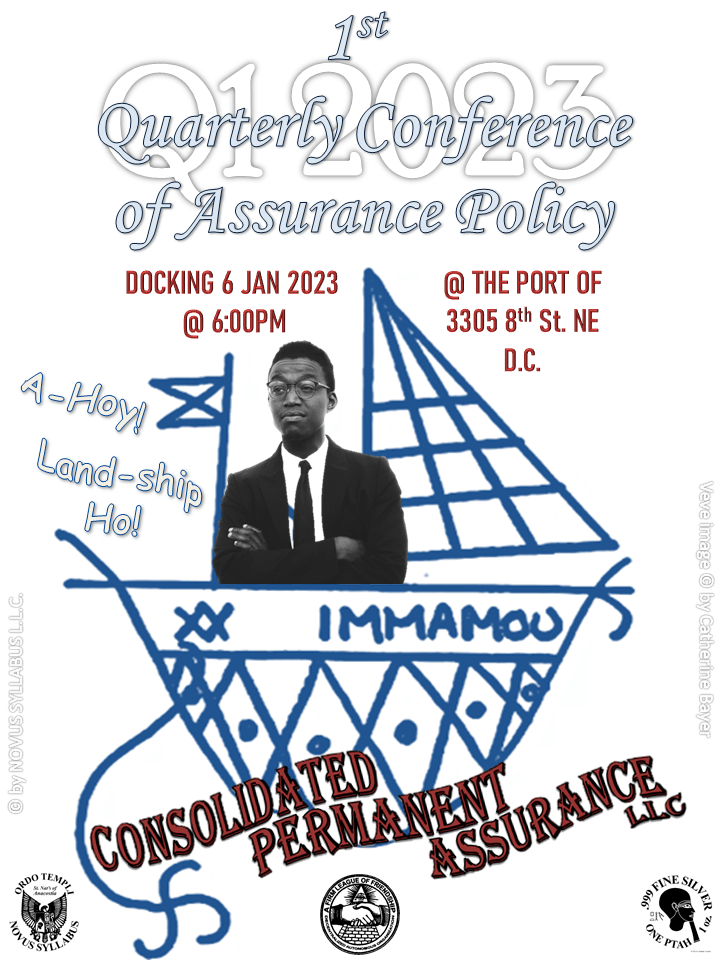
Sends Greeting and Peace and hereby offers to the Free-Thinkers, Truth-Speakers, and Light-Workers United in a firm league of friendship, decentralized autonomous organization, L.S.T.A., under terms and conditions, the Mindsoft©️™️ Flagship Program File (eSyllabus©️™️ vers. no. 22.11.09) to facilitate the General Conference of Assurance Policy.
Program Files:

A Conference of Assurance Policy
“WHAT IS A SURETY SHIP?”
FIRST OFFERED 22 NOVEMBER 2023
📜PRIVATE OFFERING📜
💾Mindsoft©️as a Service™️ (MaaS™️) Premium Servicing Fee of $99.99 per person 💳 payable upon conference for products* and services rendered. Duration of Service: 1-2 hrs.
Upon completion of conference, Assurance Policyholder may be granted C-Series Art¢oin 🪙 (“C-coin”) at market price via 🤝🏿 Handshake of Friendly Association. Contact ombudserver@gmail.com to schedule a conference, or attend the C.P.A. LLC Quarterly Conference of Assurance Policy.
📜POLICY COVERAGE📜
An assurance policyholder, having paid a premium and been conferred with assurance (as evidenced by presentment of C-coin), may bring a claim based on presentment to the CPA LLC at no cost, but there is no guarantee that such claim shall be resolved. Processing fees may apply. Neither the CPA LLC nor its parent nor its agents shall be liable for any claim arising from such a presentment or from such policyholder, as the assurance policy itself is underwritten by God in Christ through the King James Bible, and it is to Him thou shalt appeal for judgment.
(last modified 25 Jul. 2023)
The Flagship Program


presenting our flagship program
A Conference of Assurance Policy
“WHAT IS A SURETY SHIP?”
A Fun, Educational Ritual Drama ©️ by Antarah Crawley
⚓️Ministry of Information⚓️
📜BRIEF IN EQUITY📜
A presentment made without express contract presumes the recipient to be the trustee for a dead person’s estate without surety and not a living Cestui Que. An estate may, however, be entrusted to a “person” (corporation) for the use of a living spirit who may “possess property” in the nature of equitable use title not legal title.
There is sufficient precedent in Roman, Papal, and English law to presume a human body to be chattel property (i.e., a dead person or a mere human creature without soul or spirit) unless otherwise established to posses a soul from God. The cestui que who is presumed dead or lost at sea MUST EXPRESSLY STATE that they are indeed the living cestui que to be given standing as one of the three Chancellors in a Court of Equity and Chancery deciding the matter of an estate (dead person). The common law, as it pertains to the military jurisdiction of the public, cannot abrogate a matter of equity respecting a living free man or woman on the land.
Statue of Mortmain prohibits possession of property by the “dead hand” of a corporation (such as the Church); therefore a “person” (dead in the eyes of God) cannot possess property; rather it reverts to the feudal lord.
The Remedy is that the cestui que (beneficiary) possesses equitable title by nature to the property as a living child of god, but never holds the legal title of the trustee which is the feudal lord or its agent, including any person who is a citizen of the jurisdiction.
There is precedence in Germanic law that a man who holds property on account of to the use of another is bound to fulfill his trust.
Furthermore, precedent is found in the Institutes of Justinian at 2.23.1-2: “… it is required that the one heir is duly appointed and is committed to his trust (Fideicommissum) to transfer the inheritance to another; otherwise the testament in which no heir has been duly appointed is void; the words which are properly and commonly used to install a fideicommisum are I beg, I ask, I wish, I entrust…” This doctrine was brought to England by “foreign ecclesiastics” (ministers and consuls) in order to evade the Statute of Mortmain by making the Church cestui a que use le Feoffment fuit fait.
In sum, cestui que use confers the benefit of use of property to another (a minister or consul) without the legal ownership and attendant duties and obligations to the lord and crown as trustee. Compare to usufruct, or right of use of fruits (interest, profits, etc.) of property.
📜PRIVATE OFFERING📜
💾Mindsoft©️as a Service™️ (MaaS™️) Premium Servicing Fee of $99.99 per person 💳 payable upon conference for products* and services rendered. Duration of Service: 1-2 hrs.
Upon completion of conference, Assurance Policyholder may be granted C-Series Art¢oin 🪙 (“C-coin”) at market price via 🤝🏿 Handshake of Friendly Association. Contact ombudserver@gmail.com to schedule a conference, or attend the C.P.A. LLC Quarterly Conference of Assurance Policy.
*The applicant hereof shall be sent the eSyllabus©️™️ Mindsoft©️™️ program file by email under a limed use licensing agreement to facilitate their conference.
📜POLICY COVERAGE📜
An assurance policyholder, having paid a premium and been conferred with assurance (as evidenced by presentment of C-coin), may bring a claim based on presentment to the CPA LLC at no cost, but there is no guarantee that such claim shall be resolved. Processing fees may apply. Neither the CPA LLC nor its parent nor its agents shall be liable for any claim arising from such a presentment or from such policyholder, as the assurance policy itself is underwritten by God in Christ through the King James Bible, and it is to Him thou shalt appeal for judgment.

Art¢oin:\>_MyFiles
Art¢oin:\>_Theory and Methodology
Preamble
Each real Art¢oin (¢) is a serialized Non-Fungible Token (NFT) representing one hundred (100) shares in the art work-product of the Scribe Antarah Crawley (the “Artist”). Each share of each real Art¢oin is also called a Non-Fungible Token (NFT) or “token”. These tokens may be bought and sold on an exchange or on the free market just like any trading unit, whether it be art, gold, or Bitcoin. Acquisition of Art¢oin NFT shares represents acquisition of stock (or “shares”) in the entity (or “company”) constituted by the art work-product of the Artist, Scribe Antarah Crawley.
Appreciation in the value of the total volume of art work-product in circulation and on deposit represents an appreciation in the market value of the Company of the Artist, and shall inure to the benefit of its shareholders. One in possession of a share, or token, of the Company shall be de facto shareholder, however, each and every token should be exchanged under an “Agreement of Original Transfer of Work of Art” (or “contract”) establishing the rightful collector (or shareholder) together with a description and sale price of the subject art work, in pursuance of sound bookkeeping.
Value in Artwork
Art is work product that is valued for its unique qualities of scarcity and desirability. Such qualities are derived from many factors, including the person of the artist, the execution of the artist, the intention of the artist, the attention of the artist, the subject matter content of the work, the medium of the work, the lifetime of the work, and the effect upon the viewer, among many other factors. For these reasons, art made of materials worth literally nothing can fetch millions in exchange on the free market. In fact, digital non-material NFTs have sold for as much as $69 million at auction. Therefore art is a great asset that can hold and appreciate value like gold. Therefore it is a form of “hard money”.
Water Theory of Capital
1.0. There is a vast “sea” of value, represented by fluctuating wave-particles called “currency”.
1.1. When value flows freely in a “current” (through a market), then it is “liquid”. But when is it held up in an asset or other liability, then it is not liquid, because it cannot flow freely.
1.2. To get liquid currency from the “sea” to the “shore” where people use it to “work the fields” there must be river “banks” that conduct the liquid current “downstream”. Banks facilitate a capillary system whereby the value of the sea flows to the inland.
1.3. People irrigate new streams of income all the time. One must first identify a source of water, which is the market from which they will draw liquid. Then they must use tools to irrigate a stream to flow from the market to their place of business. These tools are means of production, with the resulting channel being the work-product which conducts the liquid currency to them. (It is worth noting that most institutional banks sit on naturally occurring rivers and bodies of water and are designed to be gatekeepers, or dams, to liquidity.)
2.0. An enterprise of any kind must float upon the sea of capital; for if it does not float, then it will become underwater.
2.1. This is to say that water a ship floats upon is good credit, but water that has gotten into the ship is bad debt that can sink the ship.
2.2. How shall the enterprise remain afloat? It is by and through good “leadership” and “stewardship” and “ownership” and “membership” as well as a firm league of “friendship”.
2.3. What, then, shall convey this company of ships down the river stream of income? It is by and through the ships’ “sales”.
The Liquidation and Circulation of Artwork
Considering the real and potential value of the art market, two important questions arise:
How can artists build liquidity into their work?
How can artists become art market makers?
Our Solution: back each unique work of art with something of intrinsic value in a form that can be readily circulated. The artist can increase the liquidity of their work by rendering their work in easy-to-trade units, or “trade units”, of art work. Of what should these units be made? We find that copper and other metals like silver and gold are much more liquid and valuable than canvas. The Artist can multiply the value of this base material by the work that the Artist inscribes upon it. The Artist can produce x art works per day, each one being a uniquely wrought and serialized unit of work: a non-fungible, or irreplaceable, token (an “NFT”). The craft production of NFTs organically controls the issuance and supply of such NFTs. With every sale, the value of the Artist’s work may appreciate. Smart contracts served via blockchain may enable artists to be paid dividends and royalties on all future transactions of the NFT. Thereby the Artist might become the market makers of certain art submarkets.
Blockchain Contracting
The contract for the transfer of a work of art may be decentralized from any physical location and operationalized without the physical meeting of the parties.
The contract itself may be a publicly available, pro-forma text which may be completed and submitted anywhere there is internet access. The contract binds the Collector to the Artist under clearly established terms for present and future transactions on the unique NFT artwork.
A Company of the Artist
By extension of such a blanket agreement executed between all parties in every sale, the parties establish a de facto company of the Artist in which all Collectors are shareholders holding company shares (the NFTs) that fluctuate according to the principles of the free market.
(Last modified 13 Apr. 21; 4 May 21; 10 May 21; 21 Sep 23)
The Numerical Archetype
The Numerical Archetype
Number is the consciousness of reality; it is sovereign, ideal, and essential to every phenomenon. Number in its qualitative state forms the archetype of every system of thought. Number in its quantitative state forms the archetype of every system of measurement. Together, these two principles of Number form the archetype of every manifestation of reality. Therefore Number is the abstract, Most High Lord of Creation.
The personification of Number as deity is an ancient and sacred practice which has been passed down to us from Kemetic High Science. All Godnames are placeholders for the unutterable emanations of Number. Thus, the act of counting from one to ten is to describe the coming into and passing out of being in the World, and to evoke the true names of all the deities of mankind.
As I am created by the Most High I am moved to reflect that light of truth in a creation of my own, that its glory may be known to man forever.
The Artist sits perched on the upright peak of the most high pyramid. His Muse alights on the golden airs and he is compelled to perform Her Great Work. So does the scientist preside over the system awaiting what illumination the Muse may offer toward the explication of Her Nature. Both are engaged in unveiling the sublime artistry and silent spirit of the Muse; both are engaged in the Work of Manifestation of God on earth. As creation is borne from consciousness, consciousness borne from measure, and measure borne from number, let Science guide us in our Art Work, always.
 Supreme Exchange