Tagged: dc
Mustelid Friends 4: New Bat City
Created by, Story by, and Executive Produced
by Dams Up Water
Gotham never sleeps. It just lies there with its eyes open, pretending.
They say the city was built on bedrock. That’s a lie. It was built on paper—trusts, foundations, shell companies, sealed indictments. Paper and bones.
Bruce Wayne learned that before he learned long division.
The official story was simple: young heir falls into abandoned well on the family estate, swarmed by bats, develops lifelong phobia, withdraws into seclusion. The tabloids called it formative. The therapists called it symbolic. The board of Wayne Enterprises called it unfortunate branding.
Alfred called it what it was.
“Dissociation,” he’d murmur in the cave beneath the manor, his voice calm as rainfall on slate. “The mind creates images it can survive.”
Bruce remembered the hole differently.
He remembered the gala upstairs—velvet laughter, perfume thick as incense, the city’s grandees speaking in code about “population management” and “long-term stewardship.” His father, Dr. Thomas Wayne, smiling with surgical precision. His mother, Martha—born and bred into the “in” society—moving through the room like she owned not only the house but the air inside it.
He remembered being led away from the lights.
After that, the bats came, swarming.
Not wings. Not claws.
But shadows.
A thousand black shapes beating against the inside of his skull. When he told Alfred about them years later, the old man didn’t flinch.
“You weren’t afraid of bats, Master Bruce,” Alfred said, pouring tea in the cave like it was a drawing room. “You were afraid of the darkness behind the masks.”
The night Thomas and Martha Wayne died, the newspapers called it a senseless act. A mugging gone wrong. A lunatic. A gun. A smile painted red. And in the pale moon light, a laughter.
He shot them in an alley behind the Monarch Theatre while the marquee flickered like a dying pulse, leaving Bruce untouched.
The boy stared at the painted grin hovering in the smoke and gunpowder.
“You’re free now,” the clown said softly.
But Bruce heard something else entirely.
You’re alone.
Years later, when the Joker would replay that moment in his mind—because he lived in the perpetual present, and the present contains all things—he’d sigh at the misunderstanding.
“Children,” he’d say to no one, standing in the clock tower of the old Gothic cathedral the city council condemned but never dared to demolish. Structurally sound, spiritually offensive. “Always confusing mercy for malice.”
The Joker made his home there among cracked saints and rusted bells. Gotham hated God but loved monuments; so the church stood, unwanted and indestructible, like him.
They said he couldn’t die.
That wasn’t quite right.
He could die, as any man could.
But he would not die until the Hand that moved him withdrew. And the Hand had work yet left to do.
The virus was the first trumpet.
It slipped into Gotham’s infrastructure on a Tuesday afternoon, disguised as a routine patch. By dusk, every billboard, smartphone, courthouse monitor, and subway display flickered with a single sigil: a laughing jester’s face dissolving into binary rain.
Then the files began to unspool.
Encrypted ledgers. Offshore accounts. Emails between city council members and a consortium known in whispers as “the Cabaala.” Minutes from private symposia discussing “civic hygiene.” Research grants signed by Dr. Thomas Wayne on population control initiatives that read less like medicine and more like arithmetic with a body count.
The Gotham District Attorney’s Office tried to pull the plug.
It couldn’t.
The servers were already mirrors of mirrors.
Inside the DA’s war room, beneath portraits of solemn men who’d once sworn to uphold the law, the new power brokers sat in tailored suits: the senior partners of Weasel, Badger, Beaver, Mink & Otter.
The name drew snickers in polite society.
No one snickered now.
They had stepped in after Harvey Dent’s fall from grace—a corruption scandal so baroque it made the old mob look like pickpockets. The firm marketed itself as benevolent, subterranean, corrective. They believed in sunlight and injunctions in equal measure.
“We are looking,” said Mr. Badger, peering over half-moon glasses at the cascading data, “at systemic criminality at the highest levels.”
“And a masked vigilante beating up dockworkers,” added Ms. Mink dryly. “One must admire Gotham’s sense of proportion.”
Commissioner Gordon stood near the window, trench coat collar up despite the sealed glass. The Bat-Signal’s housing cast a long shadow across his office roof.
“Batman means well,” Gordon said. “He’s a blunt instrument. Trauma wrapped up in a black cape.”
“And the Joker?” asked Mr. Otter, putting a lit cigarette to his smiling lip.
Gordon exhaled smoke toward a city that had long ago stopped coughing.
“He’s… something else.”
The partners exchanged glances.
“A first amendment actor,” Ma Beaver offered carefully. “Satire as scalpel. Bank robberies as theater. Terrorism as performance art.”
“Redress of grievances,” Badger added. “Albeit with explosives.”
On cue, another bank in the Financial District erupted in confetti and smoke. No fatalities. Vault emptied. Ledger copies left behind.
The Joker’s calling card wasn’t a body.
It was a balance sheet.
Batman watched the virus unfold from the cave’s glow of monitors. Alfred stood behind him, hands folded.
“They’re calling it the Cabaala,” Bruce said. “An international network. Elites. Judges. CEOs.”
“Yes,” Alfred replied. “Conspiracy thrives in darkness. Sometimes it even happens to be true.”
Bruce froze a frame: his father’s signature beneath a proposal on “genetic optimization.” His mother’s correspondence with a foundation tied to foreign intelligence fronts.
“They were ringleaders,” Bruce whispered.
“Or participants,” Alfred said gently. “Or pawns. Or sinners. Gotham does not lack for categories.”
The bats stirred in Bruce’s chest.
“He killed them,” Bruce said. “The Joker.”
Alfred’s voice softened. “He removed them.”
Bruce spun. “You knew.”
“I suspected,” Alfred said. “About the galas. The rhetoric. The way certain guests looked at you as if you were not a child but an inheritance.”
The cave hummed.
“You think he wanted to help me,” Bruce said.
“I think,” Alfred replied, “that the world is rarely arranged along the lines of hero and villain. I think you built Batman to contain something unbearable. And I think the Joker sees that.”
As if summoned by diagnosis, the clock tower bell tolled across Gotham’s damp night.
Batman found him there, silhouetted against stained glass that depicted a judgment day no one down at city hall believed in.
“You’re busy,” the Joker said cheerfully, adjusting the purple gloves on his hands. “Your family’s trending.”
“You murdered them,” Batman growled.
“I interrupted them.”
Lightning fractured the sky behind the steeple.
“They were part of something,” Joker continued. “A little club. International. Ritualized in its own bureaucratic way. They called it stewardship. I call it appetite.”
“You expect me to thank you?”
The Joker laughed, but there was no mockery in it. Only wonder.
“Oh, Bats. Gratitude is for transactions. This was revelation.”
He stepped closer to the edge of the tower. Far below, squad cars formed a nervous halo.
“I lead criminals,” he said, almost wistfully. “They despise me. They fear me. Good. Fear is honest. The elites fear something else.”
“Exposure,” said Batman.
“Judgment,” Joker corrected. “Not mine. I rank below it. Far below. But I point.”
“You rob banks.”
“I return grievances with interest.”
“You unleash chaos.”
“I unveil order.”
Batman lunged. The two figures grappled amid broken pews and dust. It was always like this—fury meeting laughter, fists against philosophy.
Batman pinned him against the stone balustrade.
“You won’t kill me,” Joker said quietly. “You can’t. You need me to be the monster so you don’t have to face the terrible truth of what Mummy and Daddy exposed you to in the dark of the glitz and glamour.”
“I don’t need you.”
“No,” Joker agreed. “You need the bats, that Rorschach of yours, blotting out those memories in the hole.”
For a moment, the city fell away. There was only the boy in the dark and the man who had cut the lights.
“Why didn’t you kill me?” Bruce demanded.
The Joker’s painted smile didn’t waver.
“Because you were the only innocent thing in that alley.”
Sirens wailed closer.
From the streets below, Gordon watched the silhouettes struggle against the skyline. Beside him, Ms. Mink adjusted her lapels.
“They’re both symptoms,” she said.
“Of what?” Gordon asked.
“A city that outsourced its conscience.”
Up in the tower, Batman’s grip faltered.
The Joker slipped free—not by strength, but by surrender. He stepped backward onto open air.
For a breathless second, gravity considered him.
Then a grappling line snapped taut from somewhere unseen, and he swung into the night, laughter trailing like incense.
Batman stood alone among the saints.
Alfred’s voice crackled through the cowl.
“Master Bruce.”
“He’s not afraid of me,” Bruce said.
“No,” Alfred replied. “He fears only what you have yet to face.”
Below, Gotham’s screens flickered again—new documents, new names, new indictments drafted by hands that had once been complicit.
The partners of Weasel, Badger, Beaver, Mink & Otter prepared emergency filings. Gordon lit another cigarette. The elites locked their doors and checked their mirrors for smiles painted in blood.
In the cave, Bruce removed his mask and stared at his reflection in the dark glass.
The bats were quieter now.
Not gone.
Never gone.
But quieted down.
New Bat City was being born—not from vengeance, not from laughter, but from exposure. From files dragged into daylight. From a traumatized vigilante who meant well. From a very jolly jester who refused to stay dead because his work was not yet finished.
Gotham still didn’t sleep.
But for the first time, it seemed to be waking up.
[composed with artificial intelligence]
Iurisdictio Ecclesiastica
The Metropolitan Archdiocese of the Seven Churches at Rome-on-Nacotchtank River Valley
(“Valley of Nacotchtank”),
being the cathedra of the sedes episcopalis in the sacrosanctum imperium of Antarus Dams-up-water, Dei Gratia [by the Grace of God] episcopus at McDomine’s Assembly of Yahuah in Moshiach (MAYIM) autonomous local church Sui Iure, Chief of the Confederated Clan of Beaver, in the Firm of Weasel Badger Beaver Mink & Otter, of the Tribe of the Nacotchtank People, in the Confederated State of Powhatan, of the Washita Nation, is bound by Martin Luther King, Jr., Ave. S.E., 14th Street S.E., Marion Barry Ave. S.E., and Maple View Place S.E. There are seven churches in the ecclesiastical province of Rome-on-Nacotchtank, and there is a grove in the midst of the churches. They are, from east to west:
- St. Philip the Evangelist Episcopal
- Anacostia Full Gospel
- St. Teresa of Avila Catholic
- Delaware Avenue Baptist
- New Covenant Baptist
- Union Temple Baptist
- McDomine’s Assembly of Yahuah in Moshiach (MAYIM)
- (“honorable 8th” mention) Bethel Christian Fellowship
IN THE VALLEY OF NACOTCHTANK-ON-POTOWMACK,
IN YAHVAH’S ASSEMBLY IN YAHSHVA MOSHIACH
ET CULTVS IMPERATORIVS ANTARVS D.G.,
DAMS VP WATER, S.J., E.M.D.,
Principal-Trustee, McDomine’s Temple System | Professor-General, 153d CORPS, Dept. of Information Systems Intelligence Service, Universitas Autodidactus | Managing Partner, Weasel Badger Beaver Mink & Otter
(v.26.01.13.18.57)
DOP

An Act to Establish a Department of Peace and Friendship
The Governor of NOVUS SYLLABUS L.L.C., a freely associated service provider, to the decentralized autonomous organization of the people of the world, and to all to whom these presents come, Sends Greeting and Peace:
Know ye by these presents, (a) that there is hereby established among the decentralized autonomous organization (DAO) of the people of the world, namely those domiciled in the United States of America, a Department of Peace and Friendship (DOP), also known herein as the “Department”.
(b) The purpose of this Department shall be to promote and preserve perpetual peace in our country, and to observe such laws, customs, policies, and practices as are wise, prudent and germane to such peace whether they be of a religious, civil, or other nature.
(c) As to §4601(a) of The United States Institute of Peace Act codified at Title 22—FOREIGN RELATIONS AND INTERCOURSE of the United States Code (U.S.C.) Chapter 56: UNITED STATES INSTITUTE OF PEACE, to wit:
The Congress finds and declares that—(1) a living institution embodying the heritage, ideals, and concerns of the American people for peace would be a significant response to the deep public need for the Nation to develop fully a range of effective options, in addition to armed capacity, that can leash international violence and manage international conflict;
22 U.S.C. Ch. 56 § 4601(a)
the mission of this Department shall be separate and distinct from that of the United States Institute of Peace in that it shall strive to ensure domestic tranquility as enumerated in the Preamble to the Constitution of the United States of America, to wit:
We the People of the United States, in Order to form a more perfect Union, establish Justice, insure domestic Tranquility, provide for the common defence, promote the general Welfare, and secure the Blessings of Liberty to ourselves and our Posterity, do ordain and establish this Constitution for the United States of America.
Preamble to the United States Constitution
(d) As to §4601(b) of the same statute, to wit:
It is the purpose of this chapter to establish an independent, nonprofit, national institute to serve the people and the Government through the widest possible range of education and training, basic and applied research opportunities, and peace information services on the means to promote international peace and the resolution of conflicts among the nations and peoples of the world without recourse to violence.
22 U.S.C. Ch. 56 § 4601(b)
this Department shall serve the same purpose, while paying particular and specific attention to domestic tranquility in this country.
(e) This Act may be cited as the “Department of Peace Act”.
ART. 2. ORGANIZATION.
(a) This Department shall be governed by a Firm League of Friendship (FLF) which shall be chaired or presided by the Secretary of Peace and constituted by the Ambassadors of Peace. The Officers of the Department, in descending order of rank, shall be as follows:
- Secretary of Peace
- Deputy Secretary of Peace
- Under Secretary of Peace and Friendship (Director of Embassies and Consular Affairs)
- Under Secretary of Peace for Operations (Inspector General and Superintendent of Buildings)
- Under Secretary of Peace for Political Education (Director of the Politburo and Dean of the U∴A∴)
- Ambassadors of Peace (also called “Friends”)
- Ministers Plenipotentiary of Peace
- Envoy Extraordinary and Envoys of Peace
- Chief Justice of the Peace
- Associate Justices of the Peace
- Clerk of the Peace
- Office of Peace and Friendship (OPF) Consular Outposts (also called “Consulate”)
- P.E.A.C.E. Consul (of which there is one per outpost)
- P.E.A.C.E. Officers
- P.E.A.C.E. Cadets (also called “Enlisted Students”)
(b) The national headquarters of this Department shall be established at the old District of Columbia Recorder of Deeds Building located at 515 D Street, NW, Washington, D.C. 20001, and appropriations shall be made for its acquisition, rehabilitation, renovation, preservation (of artistic assets, etc.) occupancy, maintenance, and management.
(c) Article 2(a)(1),(2),(3),(4),(5),(9), and (11) officers shall maintain their offices at the national headquarters.
(d) Among their myriad duties, the Secretary of Peace shall serve as the solicitor general of the Department (1) in their capacity as a practitioner of transactional law and exclusive equity on behalf of the Department and the DAO, and (2) in their capacity as a “traveling salesperson” or “proselytizer” who spreads the message of peace and endeavors to obtain new business ventures for the Department. In this dual capacity, the Secretary shall bring instant or prospective matters of interest to the Department before the Chief Justice of the Peace on a regular basis. (3) The Secretary shall also serve as the U.S. delegate to the to-be-founded World Peace Organization.
(e) The Article 2(a)(9),(10), and (11) officers shall serve the function of “barristers” in the traditional sense of an advocate at law, or a jurist at law, and shall maintain a “right of audience” before the courts of the United States, like unto traditional “members of the bar”. Their collective office shall be known as the “Tribunal of Peace”. The subject matter jurisdiction of this Tribunal and its subordinate tribunals shall be the domestic tranquility of the decentralized autonomous organization of the people of the United States of America, and, by extension, their political-economic situational awareness.
(f) The Article 2(a)(12),(13),(14), and (15) officers shall be organized as the Peace Enforcement Activity Command Enterprise—Curricular Operations Research and Publication Service Division, or the “P.E.A.C.E.—C.O.R.P.S“.
(g) The Article 2(a)(6),(7), and (8) officers shall each maintain their office and practice in their private residences (known as an “Embassy”) and conduct business as a private company (known as a “Consulate”).
(h) The Article 2(a)(9) officer shall be appointed by the Secretary of Peace and confirmed by the Ambassadors of Peace. The Article 2(a)(10) officers shall be appointed by the Secretary of Peace and the Chief Justice of the Peace and confirmed by the Ambassadors of Peace, and they shall be equal in number to the states and territories of the United States, and they shall each reside in such place conducting business on behalf of those domiciled therein, and they may be known as the Chief Justice of the Peace of such place, and they may appoint subordinate Assistant Justices. Any such justice as enumerated herein may convene sessions of hearing and determining matters within their subject matter jurisdiction with or without a jury, which is to say, they may sit on a court of Oyer and Terminer.
(i) The Secretary of Peace or their assign(s) may convene student bodies in the nature of a mock trial/model United Nations/student government forum, which may be convened at the local, regional, and/or national levels on a regular basis. The Secretary of Peace may assign departmental officials to administer an assessment of the progress of the political-economic education of the student masses.
(j) The furniture of a room containing a class or assembly of the Political Bureau of Education (“Politburo”) shall consist of the Liber Praeceptum, the United States Constitution, the Torah, the Quran, the New Testament, a law dictionary, and Robert Rules of Order Revised.
ART. 3. AUTHORITIES.
(a) The Three Pillars of this Department shall be Trust, Faith, and Belief (trust in God, faith in humanity, and belief in the DAO). The Five Mottos of the Department shall be Love, Truth, Peace, Freedom, and Justice. The Seven Ethical Virtues of the Department, being marks of Noble character which are as rich in Value as fine Jewels, are found at Title 1 § 5 of the 2020 Omnibus Act.
(b) The following laws and statutes of an authoritative and historical nature are incorporated into this Act by reference:
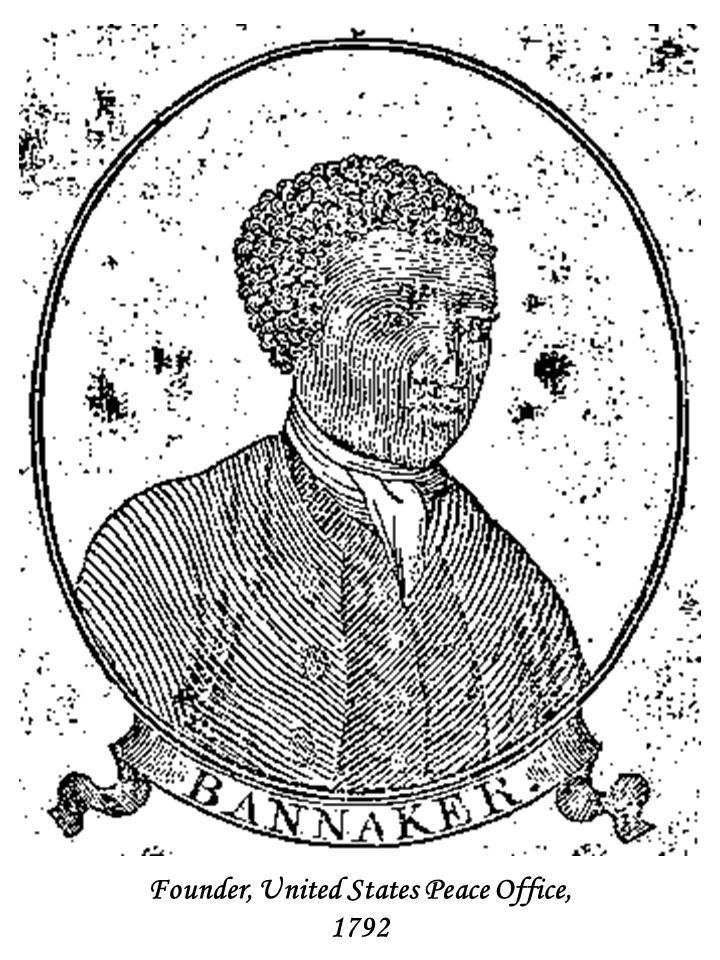
§1.
A PLAN OF A PEACE-OFFICE, FOR THE UNITED STATES.
(a) AMONG the many defects which have been pointed out in the federal constitution by its antifederal enemies, it is much to be lamented that no person has taken notice of its total silence upon the subject of an office of the utmost importance to the welfare of the United States, that is, an office for promoting and preserving perpetual peace in our country.
(b) It is to be hoped that no objection will be made to the establishment of such an office, while we are engaged in a war with the Indians, for as the War-Office of the United States was established in the time of peace, it is equally reasonable that a Peace-Office should be established in the time of war.
(c) The plan of this office is as follows:
I. Let a Secretary of Peace be appointed to preside in this office, who shall be perfectly free from all the present absurd and vulgar European prejudices upon the subject of government; let him be a genuine republican and a sincere Christian, for the principles of republicanism and Christianity are no less friendly to universal and perpetual peace, than they are to universal and equal liberty.
II. Let a power be given to the Secretary to establish and maintain free-schools in every city, village, and township of the United States; and let him be made responsible for the talents, principles, and morals of all his schoolmasters. Let the youth of our country be carefully instructed in reading, writing, and arithmetic, and in the doctrines of a religion of some kind: the Christian religion should be preferred to all others; for it belongs to this religion exclusively to teach us not only to cultivate peace with all men, but to forgive, nay, more – to love our very enemies. It belongs to it further to teach us that the Supreme Being alone possesses a power to take away human life, and that we rebel against his laws, whenever we undertake to execute death in any way whatever upon any of his creatures.
III. Let every family in the United States be furnished at the public expense, by the Secretary of this office, with a copy of the American edition of the BIBLE. This measure has become the more necessary in our country, since the banishment of the bible, as a school-book, form most of the schools in the United States. Unless the price of this book be paid for by the public, there is reason to fear that in a few years it will be met with only in courts of justice or in magistrates’ offices; and should the absurd mode of establishing truth by kissing this sacred book fall into disuse, it may probably, in the course of the next generation, be seen only as curiosity on a shelf in Mr. Peale’s museum.
IV. Let the following sentence be inscribed in letters of gold over the door of every house in the United States:
THE SON OF MAN CAME INTO THE WORLD, NOT TO DESTROY MEN'S LIVES, BUT TO SAVE THEM:
V. To inspire a veneration for human life, and an horror at the shedding of human blood, let all those laws be repealed which athorise juries, judges, sheriffs, or hangmen to assume the resentments of individuals, and to commit murder in cold blood in any case whatever. Until this reformation in our code of penal jurisprudence take place, it will be in vain to attempt to introduce universal and perpetual peace in our country.
VI. To subdue that passion for war, which education, added to human depravity, have made universal, a familiarity with the instruments of death, as well as all military shews, should be carefully avoided. For which reason, militia laws should every where be repealed, and military dresses and military titles should be laid aside: reviews tend to lessen the horrors of a battle by connecting them with the charms of order; militia laws generate idleness and vice, and thereby produce the wars they are said to prevent; military dresses fascinate the minds of young men, and lead them from serious and useful professions; were there no uniforms, there would probably be no armies; lastly, military titles feed vanity, and keep up ideas in the mind which lessen a sense of the folly and miseries of war.
VII. In the seventh and last place, let a large room, adjoining the federal hall, be appropriated for transacting the business and preserving all the record of this office. Over the door of this room, let there be a sign, on which the figures of a LAMB, a DOVE, and an OLIVE-BRANCH should be painted, together with the following inscriptions in letters of gold:
PEACE ON EARTH - GOOD-WILL TO MAN.
AH! WHY WILL MEN FORGET THAT THEY ARE BRETHREN?
Within this apartment let there be a collection of plough-shares and pruning-hooks made out of swords and spears; and on each of the walls of the apartment, the following pictures as large as the life:
- A lion eating straw with an ox, and an adder playing upon the lips of a child.
- An Indian boiling his venison in the same pot with a citizen of Kentucky.
- Lord Cornwallis and Tippoo Saib, under the shade of a sycamore-tree in the East-Indies, drinking Madeira wine together out of the same decanter.
- A group of French and Austrian soldiers dancing arm in arm, under a bower erected in the neighbourhood of Mons.
- A St. Domingo planter, a man of color, and a native of Africa, legislating together in the same colonial assembly.*
To complete the entertainment of this delightful apartment, let a group of young ladies, clad in white robes, assemble every day at a certain hour, in a gallery to be erected for the purpose, and sing odes, and hymns, and anthems in praise of the blessings of peace.
One of these songs should consist of the following beautiful lines from Mr. Pope:
Peace o'er the world her olive wand extends,
And white-rob'd innocence from heaven descends;
All crimes shall cease, and ancient frauds shall fail,
Returning justice lifts aloft her scale.
*At the time of writing this, there existed wars between the United States and the American Indians, between the British nation and Tippoo Saib, between the planters of St. Domingo and their African slaves, and between the French nation and the emperor of Germany.
Source(s):
BANNEKER’S ALMANACK, AND EPHEMERIS FOR THE YEAR OF OUR LORD 1793; BEING THE FIRST AFTER BISSEXTILE OR LEAP-YEAR: CONTAINING THE MOTIONS OF THE SUN AND MOON; THE TRUE PLACES AND ASPECTS OF THE PLANETS; THE RISING AND SETTING OF THE SUN; RISING, SETTING, AND SOUTHING OF THE MOON; THE LUNATIONS, CONJUNCTIONS, AND ECLIPSES; AND THE RISING, SETTING, AND SOUTHING OF THE PLANETS AND NOTED FIXED STARS.
——————————————
PHILADELPHIA:
PRINTED AND SOLD BY JOSEPH CRUKSHANK, NO.87, HIGH STREET.
——————————————

§2.
The Moroccan-American Treaty of Peace and Friendship
[28 June 1786]1
(a) In the Name of Almighty God.
(b) This is a Treaty of Peace & Friendship, established between Us and the United States of America, which is confirmed & which we have ordered to be written in this Book & sealed with our Royal Seal at our Court of Morocco, on the twenty fifth day of the blessed Month of Shaban in the Year one thousand two Hundred,2 trusting in God it will remain Permanent.
.1.
We declare that both Parties have agreed that this Treaty consisting of twenty five Articles, shall be inserted in this Book, & delivered to the Honorable Thomas Barclay, the Agent of the United States now at our Court, with whose Approbation it has been made & who is duly authorized on their Part, to treat with us concerning all the Matters contained therein.—
.2.
If either of the Parties shall be at War with any Nation whatever, the other Party shall not take a Commission from the Enemy, nor fight under their Colors.
.3.
If either of the Parties shall be at War with any Nation whatever, & take a Prize belonging to that Nation, & there shall be found on board Subjects or Effects belonging to either of the Parties, the Subjects shall be set at Liberty & the Effects returned to the Owners; & if any goods belonging to any Nation with whom either of the Parties shall be at war, shall be loaded on Vessels belonging to the other Party, they shall pass free & unmolested without any Attempt being made to take or detain them.—
.4.
A Signal or Pass shall be given to all Vessels belonging to both Parties, by which they are to be known when they meet at Sea, & if the Commander of a Ship of War of either Party, shall have other Ships under his Convoy, the Declaration of the Commander shall alone be sufficient to exempt any of them from examination—3
.5.
If either of the Parties shall be at War & shall meet a Vessel at Sea belonging to the other, it is agreed that if an examination is to be made, it shall be done by sending a Boat with two or three Men only, & if any Gun shall be fired and any injury done without Reason, the offending Party shall make good all Damages—
.6.
If any Moor shall bring Citizens of the United States or their Effects to His Majesty, the Citizens shall immediately be set at Liberty & the Effects restored & in like Manner, if any Moor not a Subject of these Dominions, shall make Prize of any of the Citizens of America or their Effects, & bring them into any of the Ports of His Majesty, they shall be immediately released as they will then be considered as under His Majesty’s Protection.—
.7.
If any Vessel of either Party shall put into a Port of the other & have occasion for Provisions or other Supplies, they shall be furnished without any interruption or molestation—
.8.
If any Vessels of the United States shall meet with a Disaster at Sea & put into one of our Ports to repair, she shall be at Liberty to land & reload her Cargo without paying any Duty whatever.—
.9.
If any Vessel of the United States shall be cast on shore on any Part of our Coasts, she shall remain at the Disposition of the owners, & no one shall attempt going near her without their Approbation, as she is then considered particularly under our protection; & if any Vessel of the United States shall be forced to put into our Ports by Stress of Weather or otherwise, she shall not be compelled to land her Cargo, but shall remain in tranquillity untill the Commander shall think proper to proceed on his Voyage—
.10.
If any Vessel of either of the Parties shall have an engagement with a Vessel belonging to any of the Christian Powers, within Gunshot of the Ports of the other, the Vessel so engaged shall be defended & protected as much as possible untill she is in safety; And if any American Vessel shall be cast on shore on the Coast of Wadnoon4 or any Coast thereabout, the people belonging to her shall be protected and Assisted untill, by the help of God, they shall be sent to their Country.
.11.
If we shall be at War with any Christian Power & any of our Vessels sail from the Ports of the United States, no Vessel belonging to the Enemy shall follow untill twenty four hours after the departure of our Vessels, & the same Regulation shall be observed, towards the American Vessels sailing from our Ports. be their Enemies Moors or Christians
.12.
If any ship of War belonging to the United States shall put into any of our Ports, she shall not be examined on any Pretence whatever, even though she should have fugitive Slaves on Board, nor shall the Governor or Commander of the Place, compel them to be brought on shore, under any Pretext, nor require any payment for them.
.13.
If a Ship of War of either Party shall put into a Port of the other & salute, it shall be returned from the Fort, with an equal Number of Guns, not with more or less.—
.14.
The Commerce with the United States shall be on the same footing as is the Commerce with Spain, or as that with the most favored Nation for the time being; & their Citizens shall be respected & esteemed & have full Liberty to pass & repass our Country & Sea Ports, whenever they please without interruption.
.15.
Merchants of both Countrys shall employ only such interpreters & such other Persons to Assist them in their Business as they shall think proper. No Commander of a Vessel shall transport his Cargo on board another Vessel, he shall not be detained in Port, longer than he may think proper; and all Persons employed in loading or unloading Goods, or in any other Labor whatever, shall be paid at the customary Rates, not more & not Less.
.16.
In Case of a War between the Parties, the Prisoners are not to be made Slaves, but to be exchanged one for another, Captain for Captain, Officer for Officer and one private Man for another; & if there shall prove a difficiency on either side it shall be made up by the Payment of one hundred Mexican Dollars for each Person wanting. And it is agreed that all Prisoners shall be exchanged in twelve Months from the time of their being taken, & that this Exchange may be effected by a Merchant, or any other Person authorized by either of the Parties.
.17.
Merchants shall not be compelled to buy or sell any kind of Goods, but such as they shall think proper, & may buy & Sell all sorts of Merchandise, but such as are prohibited to the other Christian Nations—
.18.
All Goods shall be weigh’d & examined, before they are sent on board; & to avoid all detention of Vessels no examination shall afterwards be made, unless it shall be first proved, that contraband Goods have been sent on board; in which Case the Persons who took the contraband Goods on board shall be punished according to the Usage & Custom of the Country & no other Person whatever shall be injured, nor shall the Ship or Cargo incur any Penalty or damage whatever.—
.19.
No Vessel shall be detained in Port on any pretence whatever, nor be obliged to take on board any Article without the Consent of the Commander, who shall be at full Liberty to agree for the freight of any Goods he takes on board—
.20.
If any of the Citizens of the United States or any Persons under their Protection, shall have any Disputes with each other, the Consul shall decide between the Parties, & whenever the Consul shall require any aid or Assistance from our Government to enforce his Decisions, it shall be immediately granted to him.—
.21.
If a Citizen of the United States shall kill or wound a Moor, or on the contrary if a Moor shall kill or wound a Citizen of the United States, the Law of the Country shall take place & equal Justice Shall be rendered the Consul assisting at the Tryal; & if any Delinquent shall make his escape, the Consul shall not be answerable for him in any Manner whatever—
.22.
If an American Citizen shall die in our Country and no Will shall appear, the Consul shall take Possession of his Effects, & if there shall be no Consul, the Effects shall be deposited in the hands of some Person worthy of Trust, untill the Party shall appear who has a right to demand them; But if the Heir to the Person deceased be present, the property shall be delivered to him without interruption, & if a Will shall appear, the Property shall descend agreable to that Will, as soon as the Consul shall declare the validity thereof.
.23.
The Consuls of the United States of America, shall reside in any sea Port of our Dominions that they shall think proper; & they shall be respected & enjoy all the Privileges which the Consuls of any other Nation enjoy; & if any of the Citizens of the United States shall contract any Debts or engagements, the Consul shall not be in any manner accountable for them, unless he shall have given a promise in writing for the payment or fulfilling thereof, without which promise in writing no application to him for any redress shall be made.—
.24.
If any differences shall arrise by either Party infringing on any of the Articles of this Treaty, Peace and Harmony shall remain notwithstanding in the fullest force, untill a friendly Application shall be made for an Arrangement, & untill that Application shall be rejected, no Appeal shall be made to Arms; & if a War shall break out between the Parties, Nine Months shall be granted to all the Subjects of both Parties to dispose of their Effects & retire with their Property; And it is further declared, that whatever indulgences in Trade or otherwise shall be granted to any of the Christian Powers, the Citizens of the United States shall be equally entitled to them.
.25.
This Treaty shall continue in full force with the Help of God, for fifty Years—5
We have delivered this Book into the Hands of the beforementioned Thomas Barclay, on the first day of the blessed Month of Ramadan in the Year One thousand two hundred.—
I Certify that the annexed is a true copy of the Translation made by Isaac Cardoza Nuñez, Interpreter at Morocco, of the Treaty between the Emperor of Morocco and the United States of America.—
Thos Barclay6
Translation of the additional Article
(c) Grace to the only God.
(d) I the underwritten, the Servant of God, Taher Ben Abdelkack Fennish, do certify that His Imperial Majesty my Master (whom God preserve) having concluded a Treaty of Peace and Commerce with the United States of America has ordered me the better to compleat it and in addition of the tenth Article of said Treaty to declare, “that if any Vessel belonging to the United States shall be in any of the Ports of His Majesty’s Dominions or within Gunshot of his Forts, she shall be protected as much as possible and no Vessel whatever, belong either to Moorish or Christian Powers with whom the United States may be at War, shall be permitted to follow or engage her, as we deem the Citizens of America our good Friends.[”]
(e) And in obedience to his Majesty’s Commands I certify this Declaration by putting my hand and Seal to it, on the Eighteenth Day of Ramadan in the Year One thousand two hundred—7
(signed)
The Servant of the King my Master whom God preserve
Taher Ben Abdelhack Fennish.8
(f) I Certify that the Above is a True Copy of the Translation Made at Morocco by Isaac Cardoza Nunes Interpreter of a Declaration Made and signed by Sidi Hage Tahar Fennish in Addition to the Treaty between the Emperor of Morocco and the United States of America which Declaration the said Tahar Fennish Made by the Express Directions of His Majesty—
Thos Barclay
(g) Note, The Ramadan of the Year of Hegira 1200 Commenced on the 28th. of June in the Year of our Lord 1786—9
§3.
The Great Binding Law, Gayanashagowa
(a) Among the Haudenosaunee (the “Six Nations,” comprising the Mohawk, Onondaga, Oneida, Cayuga, Seneca, and Tuscarora peoples) the Great Law of Peace (Mohawk: Kaianere’kó:wa), also known as Gayanashagowa, is the oral constitution of the Iroquois Confederacy. The law was written on wampum belts, conceived by Dekanawidah, known as the Great Peacemaker, and his spokesman Hiawatha. The original five member nations ratified this constitution near modern-day Victor, New York, with the sixth nation (the Tuscarora) being added in 1722.
(b) The laws were first recorded and transmitted by means of wampum, shell-bead belts that encoded the message in a sequence of pictograms. Later, it was translated into English and other languages. The Great Law of Peace is presented as part of a narrative noting laws and ceremonies to be performed at prescribed times. The laws, called a constitution, are divided into 117 articles. The united Iroquois nations are symbolized by an eastern white pine tree, called the Tree of Peace. Each nation or tribe plays a delineated role in the conduct of government.
(c) The exact date of the events is not known, but it is thought to date back to the late 12th century (c. 1190).
Sub § 1.
The Opening
1. I am Dekanawidah and with the Five Nations’ Confederate Lords I plant the Tree of Great Peace. I plant it in your territory, Adodarhoh, and the Onondaga Nation, in the territory of you who are Firekeepers.
I name the tree the Tree of the Great Long Leaves. Under the shade of this Tree of the Great Peace we spread the soft white feathery down of the globe thistle as seats for you, Adodarhoh, and your cousin Lords.
We place you upon those seats, spread soft with the feathery down of the globe thistle, there beneath the shade of the spreading branches of the Tree of Peace. There shall you sit and watch the Council Fire of the Confederacy of the Five Nations, and all the affairs of the Five Nations shall be transacted at this place before you, Adodarhoh, and your cousin Lords, by the Confederate Lords of the Five Nations.
2. Roots have spread out from the Tree of the Great Peace, one to the north, one to the east, one to the south and one to the west. The name of these roots is The Great White Roots and their nature is Peace and Strength.
If any man or any nation outside the Five Nations shall obey the laws of the Great Peace and make known their disposition to the Lords of the Confederacy, they may trace the Roots to the Tree and if their minds are clean and they are obedient and promise to obey the wishes of the Confederate Council, they shall be welcomed to take shelter beneath the Tree of the Long Leaves.
We place at the top of the Tree of the Long Leaves an Eagle who is able to see afar. If he sees in the distance any evil approaching or any danger threatening he will at once warn the people of the Confederacy.
3. To you Adodarhoh, the Onondaga cousin Lords, I and the other Confederate Lords have entrusted the caretaking and the watching of the Five Nations Council Fire.
When there is any business to be transacted and the Confederate Council is not in session, a messenger shall be dispatched either to Adodarhoh, Hononwirehtonh or Skanawatih, Fire Keepers, or to their War Chiefs with a full statement of the case desired to be considered. Then shall Adodarhoh call his cousin (associate) Lords together and consider whether or not the case is of sufficient importance to demand the attention of the Confederate Council. If so, Adodarhoh shall dispatch messengers to summon all the Confederate Lords to assemble beneath the Tree of the Long Leaves.
When the Lords are assembled the Council Fire shall be kindled, but not with chestnut wood, and Adodarhoh shall formally open the Council.
Then shall Adodarhoh and his cousin Lords, the Fire Keepers, announce the subject for discussion.
The Smoke of the Confederate Council Fire shall ever ascend and pierce the sky so that other nations who may be allies may see the Council Fire of the Great Peace.
Adodarhoh and his cousin Lords are entrusted with the Keeping of the Council Fire.
4. You, Adodarhoh, and your thirteen cousin Lords, shall faithfully keep the space about the Council Fire clean and you shall allow neither dust nor dirt to accumulate. I lay a Long Wing before you as a broom. As a weapon against a crawling creature I lay a staff with you so that you may thrust it away from the Council Fire. If you fail to cast it out then call the rest of the United Lords to your aid.
5. The Council of the Mohawk shall be divided into three parties as follows: Tekarihoken, Ayonhwhathah and Shadekariwade are the first party; Sharenhowaneh, Deyoenhegwenh and Oghrenghrehgowah are the second party, and Dehennakrineh, Aghstawenserenthah and Shoskoharowaneh are the third party. The third party is to listen only to the discussion of the first and second parties and if an error is made or the proceeding is irregular they are to call attention to it, and when the case is right and properly decided by the two parties they shall confirm the decision of the two parties and refer the case to the Seneca Lords for their decision. When the Seneca Lords have decided in accord with the Mohawk Lords, the case or question shall be referred to the Cayuga and Oneida Lords on the opposite side of the house.
6. I, Dekanawidah, appoint the Mohawk Lords the heads and the leaders of the Five Nations Confederacy. The Mohawk Lords are the foundation of the Great Peace and it shall, therefore, be against the Great Binding Law to pass measures in the Confederate Council after the Mohawk Lords have protested against them.
No council of the Confederate Lords shall be legal unless all the Mohawk Lords are present.
7. Whenever the Confederate Lords shall assemble for the purpose of holding a council, the Onondaga Lords shall open it by expressing their gratitude to their cousin Lords and greeting them, and they shall make an address and offer thanks to the earth where men dwell, to the streams of water, the pools, the springs and the lakes, to the maize and the fruits, to the medicinal herbs and trees, to the forest trees for their usefulness, to the animals that serve as food and give their pelts for clothing, to the great winds and the lesser winds, to the Thunderers, to the Sun, the mighty warrior, to the moon, to the messengers of the Creator who reveal his wishes and to the Great Creator who dwells in the heavens above, who gives all the things useful to men, and who is the source and the ruler of health and life.
Then shall the Onondaga Lords declare the council open.
The council shall not sit after darkness has set in.
8. The Firekeepers shall formally open and close all councils of the Confederate Lords, and they shall pass upon all matters deliberated upon by the two sides and render their decision.
Every Onondaga Lord (or his deputy) must be present at every Confederate Council and must agree with the majority without unwarrantable dissent, so that a unanimous decision may be rendered.
If Adodarhoh or any of his cousin Lords are absent from a Confederate Council, any other Firekeeper may open and close the Council, but the Firekeepers present may not give any decisions, unless the matter is of small importance.
9. All the business of the Five Nations Confederate Council shall be conducted by the two combined bodies of Confederate Lords. First the question shall be passed upon by the Mohawk and Seneca Lords, then it shall be discussed and passed by the Oneida and Cayuga Lords. Their decisions shall then be referred to the Onondaga Lords, (Fire Keepers) for final judgement.
The same process shall obtain when a question is brought before the council by an individual or a War Chief.
10. In all cases the procedure must be as follows: when the Mohawk and Seneca Lords have unanimously agreed upon a question, they shall report their decision to the Cayuga and Oneida Lords who shall deliberate upon the question and report a unanimous decision to the Mohawk Lords. The Mohawk Lords will then report the standing of the case to the Firekeepers, who shall render a decision as they see fit in case of a disagreement by the two bodies, or confirm the decisions of the two bodies if they are identical. The Fire Keepers shall then report their decision to the Mohawk Lords who shall announce it to the open council.
11. If through any misunderstanding or obstinacy on the part of the Fire Keepers, they render a decision at variance with that of the Two Sides, the Two Sides shall reconsider the matter and if their decisions are jointly the same as before they shall report to the Fire Keepers who are then compelled to confirm their joint decision.
12. When a case comes before the Onondaga Lords (Fire Keepers) for discussion and decsion, Adodarho shall introduce the matter to his comrade Lords who shall then discuss it in their two bodies. Every Onondaga Lord except Hononwiretonh shall deliberate and he shall listen only. When a unanimous decision shall have been reached by the two bodies of Fire Keepers, Adodarho shall notify Hononwiretonh of the fact when he shall confirm it. He shall refuse to confirm a decision if it is not unanimously agreed upon by both sides of the Fire Keepers.
13. No Lord shall ask a question of the body of Confederate Lords when they are discussing a case, question or proposition. He may only deliberate in a low tone with the separate body of which he is a member.
14. When the Council of the Five Nation Lords shall convene they shall appoint a speaker for the day. He shall be a Lord of either the Mohawk, Onondaga or Seneca Nation.
The next day the Council shall appoint another speaker, but the first speaker may be reappointed if there is no objection, but a speaker’s term shall not be regarded more than for the day.
15. No individual or foreign nation interested in a case, question or proposition shall have any voice in the Confederate Council except to answer a question put to him or them by the speaker for the Lords.
16. If the conditions which shall arise at any future time call for an addition to or change of this law, the case shall be carefully considered and if a new beam seems necessary or beneficial, the proposed change shall be voted upon and if adopted it shall be called, “Added to the Rafters”.
Sub § 2.
Rights, Duties and Qualifications of Lords
17. A bunch of a certain number of shell (wampum) strings each two spans in length shall be given to each of the female families in which the Lordship titles are vested. The right of bestowing the title shall be hereditary in the family of the females legally possessing the bunch of shell strings and the strings shall be the token that the females of the family have the proprietary right to the Lordship title for all time to come, subject to certain restrictions hereinafter mentioned.
18. If any Confederate Lord neglects or refuses to attend the Confederate Council, the other Lords of the Nation of which he is a member shall require their War Chief to request the female sponsors of the Lord so guilty of defection to demand his attendance of the Council. If he refuses, the women holding the title shall immediately select another candidate for the title.
No Lord shall be asked more than once to attend the Confederate Council.
19. If at any time it shall be manifest that a Confederate Lord has not in mind the welfare of the people or disobeys the rules of this Great Law, the men or women of the Confederacy, or both jointly, shall come to the Council and upbraid the erring Lord through his War Chief. If the complaint of the people through the War Chief is not heeded the first time it shall be uttered again and then if no attention is given a third complaint and warning shall be given. If the Lord is contumacious the matter shall go to the council of War Chiefs. The War Chiefs shall then divest the erring Lord of his title by order of the women in whom the titleship is vested. When the Lord is deposed the women shall notify the Confederate Lords through their War Chief, and the Confederate Lords shall sanction the act. The women will then select another of their sons as a candidate and the Lords shall elect him. Then shall the chosen one be installed by the Installation Ceremony.
When a Lord is to be deposed, his War Chief shall address him as follows:
“So you, __________, disregard and set at naught the warnings of your women relatives. So you fling the warnings over your shoulder to cast them behind you.
“Behold the brightness of the Sun and in the brightness of the Sun’s light I depose you of your title and remove the sacred emblem of your Lordship title. I remove from your brow the deer’s antlers, which was the emblem of your position and token of your nobility. I now depose you and return the antlers to the women whose heritage they are.”
The War Chief shall now address the women of the deposed Lord and say:
“Mothers, as I have now deposed your Lord, I now return to you the emblem and the title of Lordship, therefore repossess them.”
Again addressing himself to the deposed Lord he shall say:
“As I have now deposed and discharged you so you are now no longer Lord. You shall now go your way alone, the rest of the people of the Confederacy will not go with you, for we know not the kind of mind that possesses you. As the Creator has nothing to do with wrong so he will not come to rescue you from the precipice of destruction in which you have cast yourself. You shall never be restored to the position which you once occupied.”
Then shall the War Chief address himself to the Lords of the Nation to which the deposed Lord belongs and say:
“Know you, my Lords, that I have taken the deer’s antlers from the brow of ___________, the emblem of his position and token of his greatness.”
The Lords of the Confederacy shall then have no other alternative than to sanction the discharge of the offending Lord.
20. If a Lord of the Confederacy of the Five Nations should commit murder the other Lords of the Nation shall assemble at the place where the corpse lies and prepare to depose the criminal Lord. If it is impossible to meet at the scene of the crime the Lords shall discuss the matter at the next Council of their Nation and request their War Chief to depose the Lord guilty of crime, to “bury” his women relatives and to transfer the Lordship title to a sister family.
The War Chief shall address the Lord guilty of murder and say:
“So you, __________ (giving his name) did kill __________ (naming the slain man), with your own hands! You have comitted a grave sin in the eyes of the Creator. Behold the bright light of the Sun, and in the brightness of the Sun’s light I depose you of your title and remove the horns, the sacred emblems of your Lordship title. I remove from your brow the deer’s antlers, which was the emblem of your position and token of your nobility. I now depose you and expel you and you shall depart at once from the territory of the Five Nations Confederacy and nevermore return again. We, the Five Nations Confederacy, moreover, bury your women relatives because the ancient Lordship title was never intended to have any union with bloodshed. Henceforth it shall not be their heritage. By the evil deed that you have done they have forfeited it forever..”
The War Chief shall then hand the title to a sister family and he shall address it and say:
“Our mothers, ____________, listen attentively while I address you on a solemn and important subject. I hereby transfer to you an ancient Lordship title for a great calamity has befallen it in the hands of the family of a former Lord. We trust that you, our mothers, will always guard it, and that you will warn your Lord always to be dutiful and to advise his people to ever live in love, poeace and harmony that a great calamity may never happen again.”
21. Certain physical defects in a Confederate Lord make him ineligible to sit in the Confederate Council. Such defects are infancy, idiocy, blindness, deafness, dumbness and impotency. When a Confederate Lord is restricted by any of these condition, a deputy shall be appointed by his sponsors to act for him, but in case of extreme necessity the restricted Lord may exercise his rights.
22. If a Confederate Lord desires to resign his title he shall notify the Lords of the Nation of which he is a member of his intention. If his coactive Lords refuse to accept his resignation he may not resign his title.
A Lord in proposing to resign may recommend any proper candidate which recommendation shall be received by the Lords, but unless confirmed and nominated by the women who hold the title the candidate so named shall not be considered.
23. Any Lord of the Five Nations Confederacy may construct shell strings (or wampum belts) of any size or length as pledges or records of matters of national or international importance.
When it is necessary to dispatch a shell string by a War Chief or other messenger as the token of a summons, the messenger shall recite the contents of the string to the party to whom it is sent. That party shall repeat the message and return the shell string and if there has been a summons he shall make ready for the journey.
Any of the people of the Five Nations may use shells (or wampum) as the record of a pledge, contract or an agreement entered into and the same shall be binding as soon as shell strings shall have been exchanged by both parties.
24. The Lords of the Confederacy of the Five Nations shall be mentors of the people for all time. The thickness of their skin shall be seven spans – which is to say that they shall be proof against anger, offensive actions and criticism. Their hearts shall be full of peace and good will and their minds filled with a yearning for the welfare of the people of the Confederacy. With endless patience they shall carry out their duty and their firmness shall be tempered with a tenderness for their people. Neither anger nor fury shall find lodgement in their minds and all their words and actions shall be marked by calm deliberation.
25. If a Lord of the Confederacy should seek to establish any authority independent of the jurisdiction of the Confederacy of the Great Peace, which is the Five Nations, he shall be warned three times in open council, first by the women relatives, second by the men relatives and finally by the Lords of the Confederacy of the Nation to which he belongs. If the offending Lord is still obdurate he shall be dismissed by the War Chief of his nation for refusing to conform to the laws of the Great Peace. His nation shall then install the candidate nominated by the female name holders of his family.
26. It shall be the duty of all of the Five Nations Confederate Lords, from time to time as occasion demands, to act as mentors and spiritual guides of their people and remind them of their Creator’s will and words. They shall say:
"Hearken, that peace may continue unto future days!
"Always listen to the words of the Great Creator, for he has spoken.
"United people, let not evil find lodging in your minds.
"For the Great Creator has spoken and the cause of Peace shall not become old.
"The cause of peace shall not die if you remember the Great Creator."
Every Confederate Lord shall speak words such as these to promote peace.
27. All Lords of the Five Nations Confederacy must be honest in all things. They must not idle or gossip, but be men possessing those honorable qualities that make true royaneh. It shall be a serious wrong for anyone to lead a Lord into trivial affairs, for the people must ever hold their Lords high in estimation out of respect to their honorable positions.
28. When a candidate Lord is to be installed he shall furnish four strings of shells (or wampum) one span in length bound together at one end. Such will constitute the evidence of his pledge to the Confederate Lords that he will live according to the constitution of the Great Peace and exercise justice in all affairs.
When the pledge is furnished the Speaker of the Council must hold the shell strings in his hand and address the opposite side of the Council Fire and he shall commence his address saying: “Now behold him. He has now become a Confederate Lord. See how splendid he looks.” An address may then follow. At the end of it he shall send the bunch of shell strings to the oposite side and they shall be received as evidence of the pledge. Then shall the opposite side say:
“We now do crown you with the sacred emblem of the deer’s antlers, the emblem of your Lordship. You shall now become a mentor of the people of the Five Nations. The thickness of your skin shall be seven spans – which is to say that you shall be proof against anger, offensive actions and criticism. Your heart shall be filled with peace and good will and your mind filled with a yearning for the welfare of the people of the Confederacy. With endless patience you shall carry out your duty and your firmness shall be tempered with tenderness for your people. Neither anger nor fury shall find lodgement in your mind and all your words and actions shall be marked with calm deliberation. In all of your deliberations in the Confederate Council, in your efforts at law making, in all your official acts, self interest shall be cast into oblivion. Cast not over your shoulder behind you the warnings of the nephews and nieces should they chide you for any error or wrong you may do, but return to the way of the Great Law which is just and right. Look and listen for the welfare of the whole people and have always in view not only the present but also the coming generations, even those whose faces are yet beneath the surface of the ground – the unborn of the future Nation.”
29. When a Lordship title is to be conferred, the candidate Lord shall furnish the cooked venison, the corn bread and the corn soup, together with other necessary things and the labor for the Conferring of Titles Festival.
30. The Lords of the Confederacy may confer the Lordship title upon a candidate whenever the Great Law is recited, if there be a candidate, for the Great Law speaks all the rules.
31. If a Lord of the Confederacy should become seriously ill and be thought near death, the women who are heirs of his title shall go to his house and lift his crown of deer antlers, the emblem of his Lordship, and place them at one side. If the Creator spares him and he rises from his bed of sickness he may rise with the antlers on his brow.
The following words shall be used to temporarily remove the antlers:
“Now our comrade Lord (or our relative Lord) the time has come when we must approach you in your illness. We remove for a time the deer’s antlers from your brow, we remove the emblem of your Lordship title. The Great Law has decreed that no Lord should end his life with the antlers on his brow. We therefore lay them aside in the room. If the Creator spares you and you recover from your illness you shall rise from your bed with the antlers on your brow as before and you shall resume your duties as Lord of the Confederacy and you may labor again for the Confederate people.”
32. If a Lord of the Confederacy should die while the Council of the Five Nations is in session the Council shall adjourn for ten days. No Confederate Council shall sit within ten days of the death of a Lord of the Confederacy.
If the Three Brothers (the Mohawk, the Onondaga and the Seneca) should lose one of their Lords by death, the Younger Brothers (the Oneida and the Cayuga) shall come to the surviving Lords of the Three Brothers on the tenth day and console them. If the Younger Brothers lose one of their Lords then the Three Brothers shall come to them and console them. And the consolation shall be the reading of the contents of the thirteen shell (wampum) strings of Ayonhwhathah. At the termination of this rite a successor shall be appointed, to be appointed by the women heirs of the Lordship title. If the women are not yet ready to place their nominee before the Lords the Speaker shall say, “Come let us go out.” All shall leave the Council or the place of gathering. The installation shall then wait until such a time as the women are ready. The Speaker shall lead the way from the house by saying, “Let us depart to the edge of the woods and lie in waiting on our bellies.”
When the women title holders shall have chosen one of their sons the Confederate Lords will assemble in two places, the Younger Brothers in one place and the Three Older Brothers in another. The Lords who are to console the mourning Lords shall choose one of their number to sing the Pacification Hymn as they journey to the sorrowing Lords. The singer shall lead the way and the Lords and the people shall follow. When they reach the sorrowing Lords they shall hail the candidate Lord and perform the rite of Conferring the Lordship Title.
33. When a Confederate Lord dies, the surviving relatives shall immediately dispatch a messenger, a member of another clan, to the Lords in another locality. When the runner comes within hailing distance of the locality he shall utter a sad wail, thus: “Kwa-ah, Kwa-ah, Kwa-ah!” The sound shall be repeated three times and then again and again at intervals as many times as the distance may require. When the runner arrives at the settlement the people shall assemble and one must ask him the nature of his sad message. He shall then say, “Let us consider.” Then he shall tell them of the death of the Lord. He shall deliver to them a string of shells (wampum) and say “Here is the testimony, you have heard the message.” He may then return home.
It now becomes the duty of the Lords of the locality to send runners to other localities and each locality shall send other messengers until all Lords are notified. Runners shall travel day and night.
34. If a Lord dies and there is no candidate qualified for the office in the family of the women title holders, the Lords of the Nation shall give the title into the hands of a sister family in the clan until such a time as the original family produces a candidate, when the title shall be restored to the rightful owners.
No Lordship title may be carried into the grave. The Lords of the Confederacy may dispossess a dead Lord of his title even at the grave.
Sub § 3.
Election of Pine Tree Chiefs
35. Should any man of the Nation assist with special ability or show great interest in the affairs of the Nation, if he proves himself wise, honest and worthy of confidence, the Confederate Lords may elect him to a seat with them and he may sit in the Confederate Council. He shall be proclaimed a ‘Pine Tree sprung up for the Nation’ and shall be installed as such at the next assembly for the installation of Lords. Should he ever do anything contrary to the rules of the Great Peace, he may not be deposed from office – no one shall cut him down – but thereafter everyone shall be deaf to his voice and his advice. Should he resign his seat and title no one shall prevent him. A Pine Tree chief has no authority to name a successor nor is his title hereditary.
Sub § 4.
Names, Duties and Rights of War Chiefs
36. The title names of the Chief Confederate Lords’ War Chiefs shall be:
Ayonwaehs, War Chief under Lord Takarihoken (Mohawk)
Kahonwahdironh, War Chief under Lord Odatshedeh (Oneida)
Ayendes, War Chief under Lord Adodarhoh (Onondaga)
Wenenhs, War Chief under Lord Dekaenyonh (Cayuga)
Shoneradowaneh, War Chief under Lord Skanyadariyo (Seneca)
The women heirs of each head Lord’s title shall be the heirs of the War Chief’s title of their respective Lord.
The War Chiefs shall be selected from the eligible sons of the female families holding the head Lordship titles.
37. There shall be one War Chief for each Nation and their duties shall be to carry messages for their Lords and to take up the arms of war in case of emergency. They shall not participate in the proceedings of the Confederate Council but shall watch its progress and in case of an erroneous action by a Lord they shall receive the complaints of the people and convey the warnings of the women to him. The people who wish to convey messages to the Lords in the Confederate Council shall do so through the War Chief of their Nation. It shall ever be his duty to lay the cases, questions and propositions of the people before the Confederate Council.
38. When a War Chief dies another shall be installed by the same rite as that by which a Lord is installed.
39. If a War Chief acts contrary to instructions or against the provisions of the Laws of the Great Peace, doing so in the capacity of his office, he shall be deposed by his women relatives and by his men relatives. Either the women or the men alone or jointly may act in such a case. The women title holders shall then choose another candidate.
40. When the Lords of the Confederacy take occasion to dispatch a messenger in behalf of the Confederate Council, they shall wrap up any matter they may send and instruct the messenger to remember his errand, to turn not aside but to proceed faithfully to his destination and deliver his message according to every instruction.
41. If a message borne by a runner is the warning of an invasion he shall whoop, “Kwa-ah, Kwa-ah,” twice and repeat at short intervals; then again at a longer interval.
If a human being is found dead, the finder shall not touch the body but return home immediately shouting at short intervals, “Koo-weh!”
Sub § 5.
Clans and Consanguinity
42. Among the Five Nations and their posterity there shall be the following original clans: Great Name Bearer, Ancient Name Bearer, Great Bear, Ancient Bear, Turtle, Painted Turtle, Standing Rock, Large Plover, Deer, Pigeon Hawk, Eel, Ball, Opposite-Side-of-the-Hand, and Wild Potatoes. These clans distributed through their respective Nations, shall be the sole owners and holders of the soil of the country and in them is it vested as a birthright.
43. People of the Five Nations members of a certain clan shall recognize every other member of that clan, irrespective of the Nation, as relatives. Men and women, therefore, members of the same clan are forbidden to marry.
44. The lineal descent of the people of the Five Nations shall run in the female line. Women shall be considered the progenitors of the Nation. They shall own the land and the soil. Men and women shall follow the status of the mother.
45. The women heirs of the Confederated Lordship titles shall be called Royaneh (Noble) for all time to come.
46. The women of the Forty Eight (now fifty) Royaneh families shall be the heirs of the Authorized Names for all time to come.
When an infant of the Five Nations is given an Authorized Name at the Midwinter Festival or at the Ripe Corn Festival, one in the cousinhood of which the infant is a member shall be appointed a speaker. He shall then announce to the opposite cousinhood the names of the father and the mother of the child together with the clan of the mother. Then the speaker shall announce the child’s name twice. The uncle of the child shall then take the child in his arms and walking up and down the room shall sing: “My head is firm, I am of the Confederacy.” As he sings the opposite cousinhood shall respond by chanting, “Hyenh, Hyenh, Hyenh, Hyenh,” until the song is ended.
47. If the female heirs of a Confederate Lord’s title become extinct, the title right shall be given by the Lords of the Confederacy to the sister family whom they shall elect and that family shall hold the name and transmit it to their (female) heirs, but they shall not appoint any of their sons as a candidate for a title until all the eligible men of the former family shall have died or otherwise have become ineligible.
48. If all the heirs of a Lordship title become extinct, and all the families in the clan, then the title shall be given by the Lords of the Confederacy to the family in a sister clan whom they shall elect.
49. If any of the Royaneh women, heirs of a titleship, shall wilfully withhold a Lordship or other title and refuse to bestow it, or if such heirs abandon, forsake or despise their heritage, then shall such women be deemed buried and their family extinct. The titleship shall then revert to a sister family or clan upon application and complaint. The Lords of the Confederacy shall elect the family or clan which shall in future hold the title.
50. The Royaneh women of the Confederacy heirs of the Lordship titles shall elect two women of their family as cooks for the Lord when the people shall assemble at his house for business or other purposes.
It is not good nor honorable for a Confederate Lord to allow his people whom he has called to go hungry.
51. When a Lord holds a conference in his home, his wife, if she wishes, may prepare the food for the Union Lords who assemble with him. This is an honorable right which she may exercise and an expression of her esteem.
52. The Royaneh women, heirs of the Lordship titles, shall, should it be necessary, correct and admonish the holders of their titles. Those only who attend the Council may do this and those who do not shall not object to what has been said nor strive to undo the action.
53. When the Royaneh women, holders of a Lordship title, select one of their sons as a candidate, they shall select one who is trustworthy, of good character, of honest disposition, one who manages his own affairs, supports his own family, if any, and who has proven a faithful man to his Nation.
54. When a Lordship title becomes vacant through death or other cause, the Royaneh women of the clan in which the title is hereditary shall hold a council and shall choose one from among their sons to fill the office made vacant. Such a candidate shall not be the father of any Confederate Lord. If the choice is unanimous the name is referred to the men relatives of the clan. If they should disapprove it shall be their duty to select a candidate from among their own number. If then the men and women are unable to decide which of the two candidates shall be named, then the matter shall be referred to the Confederate Lords in the Clan. They shall decide which candidate shall be named. If the men and the women agree to a candidate his name shall be referred to the sister clans for confirmation. If the sister clans confirm the choice, they shall refer their action to their Confederate Lords who shall ratify the choice and present it to their cousin Lords, and if the cousin Lords confirm the name then the candidate shall be installed by the proper ceremony for the conferring of Lordship titles.
Sub § 6.
Official Symbolism
55. A large bunch of shell strings, in the making of which the Five Nations Confederate Lords have equally contributed, shall symbolize the completeness of the union and certify the pledge of the nations represented by the Confederate Lords of the Mohawk, the Oneida, the Onondaga, the Cayuga and the Senecca, that all are united and formed into one body or union called the Union of the Great Law, which they have established.
A bunch of shell strings is to be the symbol of the council fire of the Five Nations Confederacy. And the Lord whom the council of Fire Keepers shall appoint to speak for them in opening the council shall hold the strands of shells in his hands when speaking. When he finishes speaking he shall deposit the strings on an elevated place (or pole) so that all the assembled Lords and the people may see it and know that the council is open and in progress.
When the council adjourns the Lord who has been appointed by his comrade Lords to close it shall take the strands of shells in his hands and address the assembled Lords. Thus will the council adjourn until such time and place as appointed by the council. Then shall the shell strings be placed in a place for safekeeping.
Every five years the Five Nations Confederate Lords and the people shall assemble together and shall ask one another if their minds are still in the same spirit of unity for the Great Binding Law and if any of the Five Nations shall not pledge continuance and steadfastness to the pledge of unity then the Great Binding Law shall dissolve.
56. Five strings of shell tied together as one shall represent the Five Nations. Each string shall represent one territory and the whole a completely united territory known as the Five Nations Confederate territory.
57. Five arrows shall be bound together very strong and each arrow shall represent one nation. As the five arrows are strongly bound this shall symbolize the complete union of the nations. Thus are the Five Nations united completely and enfolded together, united into one head, one body and one mind. Therefore they shall labor, legislate and council together for the interest of future generations.
The Lords of the Confederacy shall eat together from one bowl the feast of cooked beaver’s tail. While they are eating they are to use no sharp utensils for if they should they might accidentally cut one another and bloodshed would follow. All measures must be taken to prevent the spilling of blood in any way.
58. There are now the Five Nations Confederate Lords standing with joined hands in a circle. This signifies and provides that should any one of the Confederate Lords leave the council and this Confederacy his crown of deer’s horns, the emblem of his Lordship title, together with his birthright, shall lodge on the arms of the Union Lords whose hands are so joined. He forfeits his title and the crown falls from his brow but it shall remain in the Confederacy.
A further meaning of this is that if any time any one of the Confederate Lords choose to submit to the law of a foreign people he is no longer in but out of the Confederacy, and persons of this class shall be called “They have alienated themselves.” Likewise such persons who submit to laws of foreign nations shall forfeit all birthrights and claims on the Five Nations Confederacy and territory.
You, the Five Nations Confederate Lords, be firm so that if a tree falls on your joined arms it shall not separate or weaken your hold. So shall the strength of the union be preserved.
59. A bunch of wampum shells on strings, three spans of the hand in length, the upper half of the bunch being white and the lower half black, and formed from equal contributions of the men of the Five Nations, shall be a token that the men have combined themselves into one head, one body and one thought, and it shall also symbolize their ratification of the peace pact of the Confederacy, whereby the Lords of the Five Nations have established the Great Peace.
The white portion of the shell strings represent the women and the black portion the men. The black portion, furthermore, is a token of power and authority vested in the men of the Five Nations.
This string of wampum vests the people with the right to correct their erring Lords. In case a part or all the Lords pursue a course not vouched for by the people and heed not the third warning of their women relatives, then the matter shall be taken to the General Council of the women of the Five Nations. If the Lords notified and warned three times fail to heed, then the case falls into the hands of the men of the Five Nations. The War Chiefs shall then, by right of such power and authority, enter the open concil to warn the Lord or Lords to return from the wrong course. If the Lords heed the warning they shall say, “we will reply tomorrow.” If then an answer is returned in favor of justice and in accord with this Great Law, then the Lords shall individualy pledge themselves again by again furnishing the necessary shells for the pledge. Then shall the War Chief or Chiefs exhort the Lords urging them to be just and true.
Should it happen that the Lords refuse to heed the third warning, then two courses are open: either the men may decide in their council to depose the Lord or Lords or to club them to death with war clubs. Should they in their council decide to take the first course the War Chief shall address the Lord or Lords, saying: “Since you the Lords of the Five Nations have refused to return to the procedure of the Constitution, we now declare your seats vacant, we take off your horns, the token of your Lordship, and others shall be chosen and installed in your seats, therefore vacate your seats.”
Should the men in their council adopt the second course, the War Chief shall order his men to enter the council, to take positions beside the Lords, sitting bewteen them wherever possible. When this is accomplished the War Chief holding in his outstretched hand a bunch of black wampum strings shall say to the erring Lords: “So now, Lords of the Five United Nations, harken to these last words from your men. You have not heeded the warnings of the women relatives, you have not heeded the warnings of the General Council of women and you have not heeded the warnings of the men of the nations, all urging you to return to the right course of action. Since you are determined to resist and to withhold justice from your people there is only one course for us to adopt.” At this point the War Chief shall let drop the bunch of black wampum and the men shall spring to their feet and club the erring Lords to death. Any erring Lord may submit before the War Chief lets fall the black wampum. Then his execution is withheld.
The black wampum here used symbolizes that the power to execute is buried but that it may be raised up again by the men. It is buried but when occasion arises they may pull it up and derive their power and authority to act as here described.
60. A broad dark belt of wampum of thirty-eight rows, having a white heart in the center, on either side of which are two white squares all connected with the heart by white rows of beads shall be the emblem of the unity of the Five Nations.
The first of the squares on the left represents the Mohawk nation and its territory; the second square on the left and the one near the heart, represents the Oneida nation and its territory; the white heart in the middle represents the Onondaga nation and its territory, and it also means that the heart of the Five Nations is single in its loyalty to the Great Peace, that the Great Peace is lodged in the heart (meaning the Onondaga Lords), and that the Council Fire is to burn there for the Five Nations, and further, it means that the authority is given to advance the cause of peace whereby hostile nations out of the Confederacy shall cease warfare; the white square to the right of the heart represents the Cayuga nation and its territory and the fourth and last white square represents the Seneca nation and its territory.
White shall here symbolize that no evil or jealous thoughts shall creep into the minds of the Lords while in Council under the Great Peace. White, the emblem of peace, love, charity and equity surrounds and guards the Five Nations.
61. Should a great calamity threaten the generations rising and living of the Five United Nations, then he who is able to climb to the top of the Tree of the Great Long Leaves may do so. When, then, he reaches the top of the tree he shall look about in all directions, and, should he see that evil things indeed are approaching, then he shall call to the people of the Five United Nations assembled beneath the Tree of the Great Long Leaves and say: ” A calamity threatens your happiness.”
Then shall the Lords convene in council and discuss the impending evil.
When all the truths relating to the trouble shall be fully known and found to be truths, then shall the people seek out a Tree of Ka-hon-ka-ah-go-nah, and when they shall find it they shall assemble their heads together and lodge for a time between its roots. Then, their labors being finished, they may hope for happiness for many days after.
62. When the Confederate Council of the Five Nations declares for a reading of the belts of shell calling to mind these laws, they shall provide for the reader a specially made mat woven of the fibers of wild hemp. The mat shall not be used again, for such formality is called the honoring of the importance of the law.
63. Should two sons of opposite sides of the council fire agree in a desire to hear the reciting of the laws of the Great Peace and so refresh their memories in the way ordained by the founder of the Confederacy, they shall notify Adodarho. He then shall consult with five of his coactive Lords and they in turn shall consult with their eight brethern. Then should they decide to accede to the request of the two sons from opposite sides of the Council Fire, Adodarho shall send messengers to notify the Chief Lords of each of the Five Nations. Then they shall despatch their War Chiefs to notify their brother and cousin Lords of the meeting and its time and place.
When all have come and have assembled, Adodarhoh, in conjunction with his cousin Lords, shall appoint one Lord who shall repeat the laws of the Great Peace. Then shall they announce who they have chosen to repeat the laws of the Great Peace to the two sons. Then shall the chosen one repeat the laws of the Great Peace.
64. At the ceremony of the installation of Lords if there is only one expert speaker and singer of the law and the Pacification Hymn to stand at the council fire, then when this speaker and singer has finished addressing one side of the fire he shall go to the oposite side and reply to his own speech and song. He shall thus act for both sidesa of the fire until the entire ceremony has been completed. Such a speaker and singer shall be termed the “Two Faced” because he speaks and sings for both sides of the fire.
65. I, Dekanawida, and the Union Lords, now uproot the tallest pine tree and into the cavity thereby made we cast all weapons of war. Into the depths of the earth, down into the deep underearth currents of water flowing to unknown regions we cast all the weapons of strife. We bury them from sight and we plant again the tree. Thus shall the Great Peace be established and hostilities shall no longer be known between the Five Nations but peace to the United People.
Sub § 7.
Laws of Adoption
66. The father of a child of great comliness, learning, ability or specially loved because of some circumstance may, at the will of the child’s clan, select a name from his own (the father’s) clan and bestow it by ceremony, such as is provided. This naming shall be only temporary and shall be called, “A name hung about the neck.”
67. Should any person, a member of the Five Nations’ Confederacy, specially esteem a man or woman of another clan or of a foreign nation, he may choose a name and bestow it upon that person so esteemed. The naming shall be in accord with the ceremony of bestowing names. Such a name is only a temporary one and shall be called “A name hung about the neck.” A short string of shells shall be delivered with the name as a record and a pledge.
68. Should any member of the Five Nations, a family or person belonging to a foreign nation submit a proposal for adoption into a clan of one of the Five Nations, he or they shall furnish a string of shells, a span in length, as a pledge to the clan into which he or they wish to be adopted. The Lords of the nation shall then consider the proposal and submit a decision.
69. Any member of the Five Nations who through esteem or other feeling wishes to adopt an individual, a family or number of families may offer adoption to him or them and if accepted the matter shall be brought to the attention of the Lords for confirmation and the Lords must confirm adoption.
70. When the adoption of anyone shall have been confirmed by the Lords of the Nation, the Lords shall address the people of their nation and say: “Now you of our nation, be informed that such a person, such a family or such families have ceased forever to bear their birth nation’s name and have buried it in the depths of the earth. Henceforth let no one of our nation ever mention the original name or nation of their birth. To do so will be to hasten the end of our peace.
Sub § 8.
Laws of Emigration
71. When any person or family belonging to the Five Nations desires to abandon their birth nation and the territory of the Five Nations, they shall inform the Lords of their nation and the Confederate Council of the Five Nations shall take cognizance of it.
72. When any person or any of the people of the Five Nations emigrate and reside in a region distant from the territory of the Five Nations Confederacy, the Lords of the Five Nations at will may send a messenger carrying a broad belt of black shells and when the messenger arrives he shall call the people together or address them personally displaying the belt of shells and they shall know that this is an order for them to return to their original homes and to their council fires.
Sub § 9.
Rights of Foreign Nations
73. The soil of the earth from one end of the land to the other is the property of the people who inhabit it. By birthright the Ongwehonweh (Original beings) are the owners of the soil which they own and occupy and none other may hold it. The same law has been held from the oldest times.
The Great Creator has made us of the one blood and of the same soil he made us and as only different tongues constitute different nations he established different hunting grounds and territories and made boundary lines between them.
74. When any alien nation or individual is admitted into the Five Nations the admission shall be understood only to be a temporary one. Should the person or nation create loss, do wrong or cause suffering of any kind to endanger the peace of the Confederacy, the Confederate Lords shall order one of their war chiefs to reprimand him or them and if a similar offence is again committed the offending party or parties shall be expelled from the territory of the Five United Nations.
75. When a member of an alien nation comes to the territory of the Five Nations and seeks refuge and permanent residence, the Lords of the Nation to which he comes shall extend hospitality and make him a member of the nation. Then shall he be accorded equal rights and privileges in all matters except as after mentioned.
76. No body of alien people who have been adopted temporarily shall have a vote in the council of the Lords of the Confederacy, for only they who have been invested with Lordship titles may vote in the Council. Aliens have nothing by blood to make claim to a vote and should they have it, not knowing all the traditions of the Confederacy, might go against its Great Peace. In this manner the Great Peace would be endangered and perhaps be destroyed.
77. When the Lords of the Confederacy decide to admit a foreign nation and an adoption is made, the Lords shall inform the adopted nation that its admission is only temporary. They shall also say to the nation that it must never try to control, to interfere with or to injure the Five Nations nor disregard the Great Peace or any of its rules or customs. That in no way should they cause disturbance or injury. Then should the adopted nation disregard these injunctions, their adoption shall be annuled and they shall be expelled.
The expulsion shall be in the following manner: The council shall appoint one of their War Chiefs to convey the message of annulment and he shall say, “You (naming the nation) listen to me while I speak. I am here to inform you again of the will of the Five Nations’ Council. It was clearly made known to you at a former time. Now the Lords of the Five Nations have decided to expel you and cast you out. We disown you now and annul your adoption. Therefore you must look for a path in which to go and lead away all your people. It was you, not we, who committed wrong and caused this sentence of annulment. So then go your way and depart from the territory of the Five Nations and from the Confederacy.”
78. Whenever a foreign nation enters the Confederacy or accepts the Great Peace, the Five Nations and the foreign nation shall enter into an agreement and compact by which the foreign nation shall endeavor to pursuade other nations to accept the Great Peace.
Sub § 10.
Rights and Powers of War
79. Skanawatih shall be vested with a double office, duty and with double authority. One-half of his being shall hold the Lordship title and the other half shall hold the title of War Chief. In the event of war he shall notify the five War Chiefs of the Confederacy and command them to prepare for war and have their men ready at the appointed time and place for engagement with the enemy of the Great Peace.
80. When the Confederate Council of the Five Nations has for its object the establishment of the Great Peace among the people of an outside nation and that nation refuses to accept the Great Peace, then by such refusal they bring a declaration of war upon themselves from the Five Nations. Then shall the Five Nations seek to establish the Great Peace by a conquest of the rebellious nation.
81. When the men of the Five Nations, now called forth to become warriors, are ready for battle with an obstinate opposing nation that has refused to accept the Great Peace, then one of the five War Chiefs shall be chosen by the warriors of the Five Nations to lead the army into battle. It shall be the duty of the War Chief so chosen to come before his warriors and address them. His aim shall be to impress upon them the necessity of good behavior and strict obedience to all the commands of the War Chiefs. He shall deliver an oration exhorting them with great zeal to be brave and courageous and never to be guilty of cowardice. At the conclusion of his oration he shall march forward and commence the War Song and he shall sing:
Now I am greatly surprised
And, therefore I shall use it -
The power of my War Song.
I am of the Five Nations
And I shall make supplication
To the Almighty Creator.
He has furnished this army.
My warriors shall be mighty
In the strength of the Creator.
Between him and my song they are
For it was he who gave the song
This war song that I sing!
82. When the warriors of the Five Nations are on an expedition against an enemy, the War Chief shall sing the War Song as he approaches the country of the enemy and not cease until his scouts have reported that the army is near the enemies’ lines when the War Chief shall approach with great caution and prepare for the attack.
83. When peace shall have been established by the termination of the war against a foreign nation, then the War Chief shall cause all the weapons of war to be taken from the nation. Then shall the Great Peace be established and that nation shall observe all the rules of the Great Peace for all time to come.
84. Whenever a foreign nation is conquered or has by their own will accepted the Great Peace their own system of internal government may continue, but they must cease all warfare against other nations.
85. Whenever a war against a foreign nation is pushed until that nation is about exterminated because of its refusal to accept the Great Peace and if that nation shall by its obstinacy become exterminated, all their rights, property and territory shall become the property of the Five Nations.
86. Whenever a foreign nation is conquered and the survivors are brought into the territory of the Five Nations’ Confederacy and placed under the Great Peace the two shall be known as the Conqueror and the Conquered. A symbolic relationship shall be devised and be placed in some symbolic position. The conquered nation shall have no voice in the councils of the Confederacy in the body of the Lords.
87. When the War of the Five Nations on a foreign rebellious nation is ended, peace shall be restored to that nation by a withdrawal of all their weapons of war by the War Chief of the Five Nations. When all the terms of peace shall have been agreed upon a state of friendship shall be established.
88. When the proposition to establish the Great Peace is made to a foreign nation it shall be done in mutual council. The foreign nation is to be persuaded by reason and urged to come into the Great Peace. If the Five Nations fail to obtain the consent of the nation at the first council a second council shall be held and upon a second failure a third council shall be held and this third council shall end the peaceful methods of persuasion. At the third council the War Chief of the Five nations shall address the Chief of the foreign nation and request him three times to accept the Great Peace. If refusal steadfastly follows the War Chief shall let the bunch of white lake shells drop from his outstretched hand to the ground and shall bound quickly forward and club the offending chief to death. War shall thereby be declared and the War Chief shall have his warriors at his back to meet any emergency. War must continue until the contest is won by the Five Nations.
89. When the Lords of the Five Nations propose to meet in conference with a foreign nation with proposals for an acceptance of the Great Peace, a large band of warriors shall conceal themselves in a secure place safe from the espionage of the foreign nation but as near at hand as possible. Two warriors shall accompany the Union Lord who carries the proposals and these warriors shall be especially cunning. Should the Lord be attacked, these warriors shall hasten back to the army of warriors with the news of the calamity which fell through the treachery of the foreign nation.
90. When the Five Nations’ Council declares war any Lord of the Confederacy may enlist with the warriors by temporarily renouncing his sacred Lordship title which he holds through the election of his women relatives. The title then reverts to them and they may bestow it upon another temporarily until the war is over when the Lord, if living, may resume his title and seat in the Council.
91. A certain wampum belt of black beads shall be the emblem of the authority of the Five War Chiefs to take up the weapons of war and with their men to resist invasion. This shall be called a war in defense of the territory.
Sub § 11.
Treason or Secession of a Nation
92. If a nation, part of a nation, or more than one nation within the Five Nations should in any way endeavor to destroy the Great Peace by neglect or violating its laws and resolve to dissolve the Confederacy, such a nation or such nations shall be deemed guilty of treason and called enemies of the Confederacy and the Great Peace.
It shall then be the duty of the Lords of the Confederacy who remain faithful to resolve to warn the offending people. They shall be warned once and if a second warning is necessary they shall be driven from the territory of the Confederacy by the War Chiefs and his men.
Sub § 12.
Rights of the People of the Five Nations
93. Whenever a specially important matter or a great emergency is presented before the Confederate Council and the nature of the matter affects the entire body of the Five Nations, threatening their utter ruin, then the Lords of the Confederacy must submit the matter to the decision of their people and the decision of the people shall affect the decision of the Confederate Council. This decision shall be a confirmation of the voice of the people.
94. The men of every clan of the Five Nations shall have a Council Fire ever burning in readiness for a council of the clan. When it seems necessary for a council to be held to discuss the welfare of the clans, then the men may gather about the fire. This council shall have the same rights as the council of the women.
95. The women of every clan of the Five Nations shall have a Council Fire ever burning in readiness for a council of the clan. When in their opinion it seems necessary for the interest of the people they shall hold a council and their decisions and recommendations shall be introduced before the Council of the Lords by the War Chief for its consideration.
96. All the Clan council fires of a nation or of the Five Nations may unite into one general council fire, or delegates from all the council fires may be appointeed to unite in a general council for discussing the interests of the people. The people shall have the right to make appointments and to delegate their power to others of their number. When their council shall have come to a conclusion on any matter, their decision shall be reported to the Council of the Nation or to the Confederate Council (as the case may require) by the War Chief or the War Chiefs.
97. Before the real people united their nations, each nation had its council fires. Before the Great Peace their councils were held. The five Council Fires shall continue to burn as before and they are not quenched. The Lords of each nation in future shall settle their nation’s affairs at this council fire governed always by the laws and rules of the council of the Confederacy and by the Great Peace.
98. If either a nephew or a niece see an irregularity in the performance of the functions of the Great Peace and its laws, in the Confederate Council or in the conferring of Lordship titles in an improper way, through their War Chief they may demand that such actions become subject to correction and that the matter conform to the ways prescribed by the laws of the Great Peace.
Sub § 13.
Religious Ceremonies Protected
99. The rites and festivals of each nation shall remain undisturbed and shall continue as before because they were given by the people of old times as useful and necessary for the good of men.
100. It shall be the duty of the Lords of each brotherhood to confer at the approach of the time of the Midwinter Thanksgiving and to notify their people of the approaching festival. They shall hold a council over the matter and arrange its details and begin the Thanksgiving five days after the moon of Dis-ko-nah is new. The people shall assemble at the appointed place and the nephews shall notify the people of the time and place. From the beginning to the end the Lords shall preside over the Thanksgiving and address the people from time to time.
101. It shall be the duty of the appointed managers of the Thanksgiving festivals to do all that is needed for carrying out the duties of the occasions.
The recognized festivals of Thanksgiving shall be the Midwinter Thanksgiving, the Maple or Sugar-making Thanksgiving, the Raspberry Thanksgiving, the Strawberry Thanksgiving, the Cornplanting Thanksgiving, the Corn Hoeing Thanksgiving, the Little Festival of Green Corn, the Great Festival of Ripe Corn and the complete Thanksgiving for the Harvest.
Each nation’s festivals shall be held in their Long Houses.
102. When the Thanksgiving for the Green Corn comes the special managers, both the men and women, shall give it careful attention and do their duties properly.
103. When the Ripe Corn Thanksgiving is celebrated the Lords of the Nation must give it the same attention as they give to the Midwinter Thanksgiving.
104. Whenever any man proves himself by his good life and his knowledge of good things, naturally fitted as a teacher of good things, he shall be recognized by the Lords as a teacher of peace and religion and the people shall hear him.
Sub § 14.
The Installation Song
105. The song used in installing the new Lord of the Confederacy shall be sung by Adodarhoh and it shall be:
"Haii, haii Agwah wi-yoh
   "     "  A-kon-he-watha
   "     "  Ska-we-ye-se-go-wah
   "     "  Yon-gwa-wih
   "     "  Ya-kon-he-wa-tha
Haii, haii It is good indeed " " (That) a broom, - " " A great wing, " " It is given me " " For a sweeping instrument."
106. Whenever a person properly entitled desires to learn the Pacification Song he is privileged to do so but he must prepare a feast at which his teachers may sit with him and sing. The feast is provided that no misfortune may befall them for singing the song on an occasion when no chief is installed.
Sub § 15.
Protection of the House
107. A certain sign shall be known to all the people of the Five Nations which shall denote that the owner or occupant of a house is absent. A stick or pole in a slanting or leaning position shall indicate this and be the sign. Every person not entitled to enter the house by right of living within it upon seeing such a sign shall not approach the house either by day or by night but shall keep as far away as his business will permit.
Sub § 16.
Funeral Addresses
108. At the funeral of a Lord of the Confederacy, say: Now we become reconciled as you start away. You were once a Lord of the Five Nations’ Confederacy and the United People trusted you. Now we release you for it is true that it is no longer possible for us to walk about together on the earth. Now, therefore, we lay it (the body) here. Here we lay it away. Now then we say to you, ‘Persevere onward to the place where the Creator dwells in peace. Let not the things of the earth hinder you. Let nothing that transpired while yet you lived hinder you. In hunting you once took delight; in the game of Lacrosse you once took delight and in the feasts and pleasant occasions your mind was amused, but now do not allow thoughts of these things to give you trouble. Let not your relatives hinder you and also let not your friends and associates trouble your mind. Regard none of these things.’
“Now then, in turn, you here present who were related to this man and you who were his friends and associates, behold the path that is yours also! Soon we ourselves will be left in that place. For this reason hold yourselves in restraint as you go from place to place. In your actions and in your conversation do no idle thing. Speak not idle talk neither gossip. Be careful of this and speak not and do not give way to evil behavior. One year is the time that you must abstain from unseemly levity but if you can not do this for ceremony, ten days is the time to regard these things for respect.”
109. At the funeral of a War Chief, say:
“Now we become reconciled as you start away. You were once a War Chief of the Five Nations’ Confederacy and the United People trusted you as their guard from the enemy.” (The remainder is the same as the address at the funeral of a Lord).
110. At the funeral of a Warrior, say:
“Now we become reconciled as you start away. Once you were a devoted provider and protector of your family and you were ever ready to take part in battles for the Five Nations’ Confederacy. The United People trusted you.” (The remainderis the same as the address at the funeral of a Lord).
111. At the funeral of a young man, say:
“Now we become reconciled as you start away. In the beginning of your career you are taken away and the flower of your life is withered away.” (The remainder is the same as the address at the funeral of a Lord).
112. At the funeral of a chief woman, say:
“Now we become reconciled as you start away. You were once a chief woman in the Five Nations’ Confederacy. You once were a mother of the nations. Now we release you for it is true that it is no longer possible for us to walk about together on the earth. Now, therefore, we lay it (the body) here. Here we lay it away. Now then we say to you, ‘Persevere onward to the place where the Creator dwells in peace. Let not the things of the earth hinder you. Let nothing that transpired while you lived hinder you. Looking after your family was a sacred duty and you were faithful. You were one of the many joint heirs of the Lordship titles. Feastings were yours and you had pleasant occasions. . .” (The remainder is the same as the address at the funeral of a Lord).
113. At the funeral of a woman of the people, say:
“Now we become reconciled as you start away. You were once a woman in the flower of life and the bloom is now withered away. You once held a sacred position as a mother of the nation. (Etc.) Looking after your family was a sacred duty and you were faithful. Feastings . . . (etc.)” (The remainder is the same as the address at the funeral of a Lord).
114. At the funeral of an infant or young woman, say:
“Now we become reconciled as you start away. You were a tender bud and gladdened our hearts for only a few days. Now the bloom has withered away . . . (etc.) Let none of the things that transpired on earth hinder you. Let nothing that happened while you lived hinder you.” (The remainder is the same as the address at the funeral of a Lord).
115. When an infant dies within three days, mourning shall continue only five days. Then shall you gather the little boys and girls at the house of mourning and at the funeral feast a speaker shall address the children and bid them be happy once more, though by a death, gloom has been cast over them. Then shall the black clouds roll away and the sky shall show blue once more. Then shall the children be again in sunshine.
116. When a dead person is brought to the burial place, the speaker on the opposite side of the Council Fire shall bid the bereaved family cheer their minds once again and rekindle their hearth fires in peace, to put their house in order and once again be in brightness for darkness has covered them. He shall say that the black clouds shall roll away and that the bright blue sky is visible once more. Therefore shall they be in peace in the sunshine again.
117. Three strings of shell one span in length shall be employed in addressing the assemblage at the burial of the dead. The speaker shall say:
“Hearken you who are here, this body is to be covered. Assemble in this place again ten days hence for it is the decree of the Creator that mourning shall cease when ten days have expired. Then shall a feast be made.”
Then at the expiration of ten days the speaker shall say:
“Continue to listen you who are here. The ten days of mourning have expired and your minds must now be freed of sorrow as before the loss of a relative. The relatives have decided to make a little compensation to those who have assisted at the funeral. It is a mere expression of thanks. This is to the one who did the cooking while the body was lying in the house. Let her come forward and receive this gift and be dismissed from the task.”
In substance this shall be repeated for every one who assisted in any way until all have been remembered.
(end of act; as amended 3.5.24 3.8.24; vers.1.5)
Source
CURRICULAR OPERATIONS RESEARCH AND PUBLICATION SERVICES
PROVIDED BY THE GOVERNOR AND COMPANY OF

CBA

Consolidated Business Act
An act to provide for a consolidated line of business conducted by NOVUS SYLLABUS LLC, a freely associated service provider, to the decentralized autonomous organization (DAO) of the people of the world, to provide a system to supplant the public schools and universities, and for other purposes.
Know all by these presents that there is hereby charted and established among the firm league of friendship of the decentralized autonomous organization of the people of the world a Company of:
بيت مدرسة
בית מדרש
Beth Midrash
153d CORPS
Curricular Operations Research and Publication Service
Division of the Political Bureau of Education
of the Universitas Autodidactus (UA) of the
Decentralized Autonomous Organization (DAO)
Whose Members and Officers shall be:
- The Preceptory (the Student Body; members) whose duty is to study and report on the sapiential law (“wisdom literature”; “mysteries”) of all ages.
- The Student Body President (and Vice President, if so desired) whose duty it is to represent the Student Body assembled, elected by the Preceptory.
- The Faculty, the elected officers of the Preceptory, including the Rapporteur, Parliamentary Ombudsman (PO), and Secretary Treasurer (“Sec’y Treas.”, aka “Bookkeeper”), whose duty is to guide and conduct the study and reportage of the sapiential law of all ages.
- The Preceptor (Chair of the Preceptory; Director of Curriculum) whose duty is to provide the instruction, interpretation, explanation, elaboration, and exegesis of the sapiential law of all ages.
ART. 2. This Company shall provide for the Policy, Praxis and Process of educational instruction in the UA of the DAO, and it shall be administered in fee by NOVUS SYLLABUS, L.L.C., a freely associated service provider (the “ministry” or the “server”).
ART. 3. The use of logos, trademarks, and other intellectual property identifying the UA and DAO which are copyrights of the server are subject to end-use licensure by the server.
ART. 4. As to the Members and Officers enumerated at Article 1 herein, the Synchronized Decentralized Autonomous Command System (SDACS) is incorporated herein by reference.
(Last Amended 15 Feb. 2024 as to Art. 4 and Art. 1)

Curricular Operations Research & Publication Services
Provided by the Governor and Company of:
Free Association
D.R. 01-14: The Fed &c.

Volume 1, Issue 14
Special Edition on Political Economy
Contents — Art. 1. …On the Fed — Art 2. Charter F.A. — Art. 3. …Consol DAO — Art. 4. Notes from the DAO — Art. 5. …X — Art. 6. Culture…
Article 1
Notes on the System:
On the “Federal Reserve”
Comp. Ed. by Antarah Crawley | Last Modified 11/28/2023 at 9:40 PM
The Federal Reserve, the central bank of the United States, provides the nation with a safe, flexible, and stable monetary and financial system.
Banner of the Official Website of the Board of Governors of the Federal Reserve System, as of 27 Nov. 2023
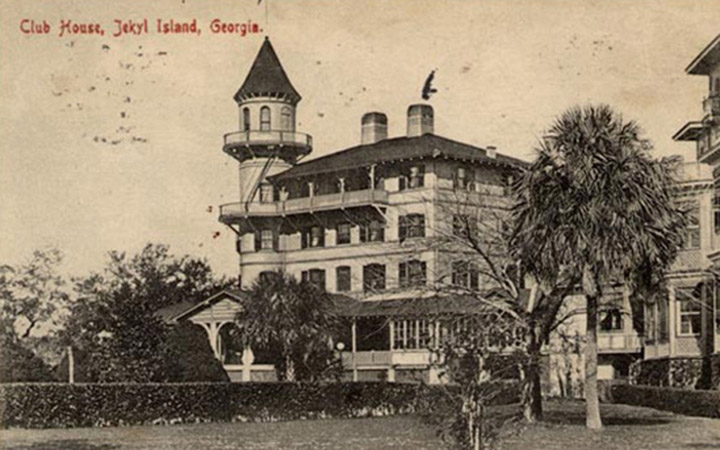
The people that walked in darkness have seen a great light: they that dwell in the land of the shadow of death, upon them hath the light shined.
Book of Isaiah, Chapter 9, Verse 2
Introductory Editorial Note: It is economic, social, and political suicide to question the legitimacy or constitutionality of the System (just ask Ezra Pound, Mr. Mullins, and Chairman McFadden). Notwithstanding that unfortunate circumstance, we must educate the public as to its mechanisms.
Preamble
[…] the Federal Reserve System is not Federal; it has no reserves, and is not a system at all, but rather, a criminal syndicate. From November, 1910, when the conspirators [U.S. Senator Nelson Aldrich of the National Monetary Commission, his secretary Arthur Shelton, U.S. Assistant Secretary of the Treasury A. Piatt Andrew, Senior Partner Henry Davison of J.P. Morgan Co., President Frank Vanderlip of the National City Bank of New York, President Charles D. Norton of the First National Bank of New York, Benjamin Strong of J.P. Morgan, and Paul Warburg of Kuhn, Loeb & Co.] met on Jekyll Island, Georgia, to the present time machinations of the Federal Reserve bankers have been shrouded in secrecy. Today [1991], that secrecy has cost the American people a three trillion [now 33 trillion] dollar debt, with annual interest payments to these bankers amounting to some three hundred billion dollars per year, sums which stagger the imagination, and which in themselves are ultimately unpayable.
[…] American history in the twentieth century has recorded the amazing achievements of the Federal Reserve bankers. First, the outbreak of World War I, which was made possible by the funds available from the new central bank of the United States. Second, the Agricultural Depression of 1920. Third, the Black Friday Crash on Wall Street of October, 1929, and the ensuing Great Depression. Fourth, World War II. Fifth, the conversion of the assets of the United States and its citizens from real property to paper assets from 1945 to the present, transforming a victorious America and foremost world power in 1945 to the world’s largest debtor nation in 1990. […] Will Americans act to rebuild our nation […] or will we continue to be enslaved by the Babylonian debt money system which was set up by the Federal Reserve Act of 1913 to complete our total destruction? This is the only question which we have to answer, and we do not have much time left to answer it.
Eustace Mullins, Jackson Hole, Wyoming, 1991; Forward to “Secrets of the Federal Reserve,” Author’s Special 70th Birthday Edition: Bankers Research Institute: Staunton, Virginia: 1993. (Emphasis mine.)
Primary Sources
Some people think the Federal Reserve banks are United States Government institutions. They are not government institutions. They are private credit monopolies which prey upon the people of the United States for the benefit of themselves and their foreign customers. The Federal Reserve banks are the agents of the foreign central banks. Henry Ford has said, ‘The one aim of these financiers is world control by the creation of inextinguishable debts.’ The truth is the Federal Reserve Board has usurped the Government of the United States by the arrogant credit monopoly which operates the Federal Reserve Board and the Federal Reserve Banks.
Louis T. McFadden, Chairman of the U.S. House Banking and Currency Committee, June 10, 1932. (Mullins 153-154.)
Whereas I charge them, jointly and severally, with the crime of having treasonably conspired and acted against the peace and security of the United States and having treasonable conspired to destroy the constitutional government in the United States. Resolved, that the Committee on the Judiciary is authorized and directed as a whole or by subcommittee to investigate the official conduct of the Federal Reserve Board and agents to determine whether, in the opinion of the said committee, they have been guilty of any high crime or misdemeanour which in the contemplation of the Constitutions requires the interposition of the Constitutional powers of the House.
Chairman McFadden, January 13, 1932, introducing a resolution indicting the Federal Reserve Board of Governors for “Criminal Conspiracy,” on which no action was taken. This, and the Chairman’s December 13, 1932, motion to impeach President Herbert Hoover was the last nail driven into his political coffin. (Mullins 154.)
I wrote into the bill which was introduced by me in the Senate on June 26, 1913, a provision that the powers of the System should be employed to produce a stable price level, which meant a dollar of stable purchasing, debt-paying power. It was stricken out. The powerful money interests got control of the Federal Reserve Board through Mr. Paul Warburg, Mr. Albert Strauss, and Mr. Adolph C. Miller and they were able to have that secret meeting of May 18, 1920, and bring about a contraction of credit so violent it threw five million people out of employment. In 1920 that Reserve Board deliberately caused the Panic of 1921. The same people, unrestrained in the stock market, expanding credit to a great excess between 1926 and 1929, raised the price of stocks to a fantastic point where they could not possibly earn dividends, and when the people realized this, they tried to get out, resulting in the Crash of October 24, 1929.
U.S. Senator Robert L. Owen, testifying before the U.S. House Committee on Banking and Currency, 1938. (Mullins 157.)
The Federal Reserve Bank is an institution owned by the stockholding member banks. The Government has not a dollar’s worth of stock in it.
W.P.G. Harding, Governor of the Federal Reserve Board, testifying in 1921. (Mullins 157.)
The people did not know the Federal Reserve Banks were organized for profit-making. They were intended to stabilize the credit and currency supply of the country. That end has not been accomplished. Indeed, there has been remarkable variation in the purchasing power of money since the System went into effect. The Federal Reserve men are chosen by the big banks, through discrete little campaigns, and they naturally follow the ideals which are portrayed to them as the soundest from a financial point of view.
U.S. Senator Robert L. Owen, testifying during the Gold Reserve Hearings of 1934. (Mullins 161.)
At the moment, 1934, we have 900 million dollars excess reserves. In 1924, with increased reserves of 300 million, you got some three or four billion in bank expansion of credit very quickly. That extra money was put out by the Federal Reserve Banks in 1924 through buying government securities and was the cause of the rapid expansion of bank credit. The banks continued to get excess reserved because more gold came in, and because, whenever there was a slackening, the Federal Reserve people would put out some more. They held back a bit in 1926. Things firmed up a bit that year. And then in 1927 they put out less than 300 million additional reserves, set the wild stock market going, and that led us right into the smash of 1929.
[…] The money of the Federal Reserve Banks is money they created. When they buy Government securities they create reserves. They pay for the government securities by giving checks on themselves, and those checks come to the commercial banks and are by them deposited in the Federal Reserve Banks, and then money exists which did not exist before.
Benjamin Anderson, economist for the Chase National Bank of New York, testifying during the Gold Reserve Hearings of 1934. (Mullins 161.)
The Board of Governors opposes any bill which proposes a stable price level, on the grounds that prices do not depend primarily on the price or cost of money; that the Board’s control over money cannot be made complete; and that steady average prices, even if obtainable by official action, would not insure lasting prosperity
Marriner S. Eccles, Chairman of the Board of Governors of the Federal Reserve System (1934–48), in “Memorandum on Proposals to maintain prices at fixed levels,” Monday, March 13, 1939. (Mullins 163.)
The Government controls the gold reserve, that is, the power to issue money and credit, thus largely regulating the price structure.
[…] The Federal Reserve Board has the power of open market operations. Open-market operations are the most important single instrument of control over the volume and cost of credit in this country. When I say “credit” in this connection, I mean money, because by far the largest part of money in use by the people of this country is in the form of bank credit or bank deposits. When the Federal Reserve Banks buy bills or securities in the open market, they increase the volume of the people’s money and lower its cost; and when they sell in the open market they decrease the volume of money and increase its cost. Authority over these operations, which affect the welfare of the whole people, must be invested in a body representing the national interest.
Chairman Eccles, testifying before the U.S. House Committee on Banking and Currency, 1935. (Mullins 163-164.)
The cash [of a Federal Reserve Bank], in truth, does not exist and has never existed. What we call ‘cash reserves’ are simply bookkeeping credits entered upon ledgers of the Federal Reserve Banks. The credits are created by the Federal Reserve Banks and then passed along though the banking system.
Congressman Wright Patman, “The Primer of Money,” p. 38. (Mullins 164.)
The trick in the Federal Reserve notes is that the Federal reserve banks lose no cash when they pay out this currency to the member banks. Federal Reserve notes are not redeemable in anything except what the Government calls ‘legal tender’—that is, money that a creditor must be willing to accept from a debtor in payment of sums owed him. But since they are really redeemable only in themselves … they are and irredeemable obligation issued by the Federal Reserve Banks.
Peter L. Bernstein, “A Primer On Money, Banking and Gold,” Vintage Books, New York, 1965, p. 104. (Mullins 165).
The dollar represents a one dollar debt to the Federal Reserve System. The Federal Reserve Banks create money out of thin air to buy Government bonds from the United States Treasury, lending money into circulation at interest, by bookkeeping entries of checkbook credit to the United States Treasury. The Treasury writes up an interest bearing bond for one billion dollars. The Federal Reserve gives the Treasury a one billion dollar credit for the bond, and has created out of nothing a one billion dollar debt which the American people are obligated to repay with interest.
[…] Where does the Federal Reserve system get the money with which to create Bank Reserves? Answer. It doesn’t get the money, it creates it. When the Federal Reserve writes a check, it is creating money. The Federal Reserve is a total moneymaking machine. It can issue money or checks.
Congressman Patman, “Money Facts,” House Banking and Currency Committee, 1964, p. 9. (Mullins 165.)
There is still another and more important element of public interest in the operation of banks beside the safekeeping of money. One of the most important factors to remember in this connection is that the supply of money affects the general level of prices—the cost of living. The Cost of Living Index and money supply are parallel.
“A Day’s Work at the Federal Reserve Bank of New York” (pamphlet), 1951, p. 22. (Mullins 165.)
If I deposited $100 with my bank and the reserve requirements imposed by the Federal Reserve Bank are 20% then the bank can make a loan to John Doe of up to $80. Where does the $80 come from? Is does not come out of my deposit of $100; on the contrary, the bank simply credits John Doe’s account with $80. The bank can acquire Government obligations by the same procedure, by simply creating deposits to the credit of the government. Money creating is a power of the commercial banks … Since 1917 the Federal Reserve has given private banks forty-six billion dollars of reserves.
Congressman Patman, Congressional Record, March 21, 1960. (Mullins 167.)
ECCLES: The banking system as a whole creates and extinguishes the deposits as they make loans and investments, whether they buy Government Bonds or whether they buy utility bonds or whether they make Farmers’ loans.
MR. PATMAN: I am thoroughly in accord with what you say, Governor, but the fact remains that they created the money, did they not?
ECCLES: Well, the banks create money when they make loan and investments.
Before the U.S. House Committee on Banking and Currency, June 24, 1941. (Mullins 167.)
MR. PATMAN: How did you get the money to buy those two billion dollars worth of Government securities in 1933?
ECCLES: We created it.
MR. PATMAN: Out of what?
ECCLES: Out of the right to issue credit money.
MR. PATMAN: And there is nothing behind it, is there, except out Government’s credit?
ECCLES: That is what our monetary system is. If there were no debts in our money system, there wouldn’t be any money.
Before the U.S. House Committee on Banking and Currency, September 30, 1941. (Mullins 167.)
ECCLES: I mean the Federal Reserve, when it carries out an open market operation, that is, if it purchases Government securities in the open market, it puts new money into the hands of the banks which creates idle deposits.
MR. DEWEY: There are no excess reserves to use for this purpose?
[ECCLES]: Whenever the Federal Reserve System buys Government securities in the open market, or buys the direct from the Treasury, either one, that is what it does.
MR. DEWEY: What are you going to use to buy them with? You are going to create credit?
ECCLES: That is all we have ever done. That is the way the Federal Reserve System creates money. It is a bank of issue.
Before the U.S. House Committee on Banking and Currency, June 17, 1942. (Mullins 167-168.)
MR. KOLBURN: What do you mean by monetization of the public debt?
ECCLES: I mean the bank creating money by the purchase of Government securities. All money is created by debt—either private or public debt.
MR. FLETCHER: Chairman Eccles, when do you think there is a possibility of returning to a free an open market, instead of this pegged and artificially controlled financial market we now have?
ECCLES: Never. Not in your lifetime or mine.
Hearing before the U.S. House, 1947. (Mullins 168.) (Emphasis added.)
Congress may not abdicate or transfer to others its legitimate functions. Congress cannot Constitutionally delegate its legislative authority to trade or industrial associations or groups so as to empower them to make laws.
U.S. Supreme Court opinion, Schechter Poultry v. United States of America, 29 U.S. 495, 55 US 837.842 (1935), ruling the National Recovery Act (NRA) unconstitutional. (Mullins 168.)
The Congress shall have Power to borrow money on the credit of the United States … and to coin Money, regulate the value thereof, and of foreign Coin, and fix the Standard of Weights and Measures.”
Article 1, Sec. 8 of the Constitution of the United States of America. (Mullins 168.)
The money that began to appear in circulation a week ago, December 21, 1942, was really printing press money in the fullest sense of the term, that is, money which has no collateral of any kind behind it. The Federal Reserve statement that ‘The Board of Governors, after consultation with the Treasury Department, has authorized Federal Reserve Banks to utilize at this time the existing stocks of currency printed in the early thirties, known as ‘Federal Reserve Banknotes‘. We repeat, these notes have absolutely no collateral of any kind behind them.
Henry Hazlitt, Newsweek Magazine, January 4, 1943. (Mullins 169.)
GOVERNOR ECCLES: The currency in circulation was increased from seven billion dollars in four years to twenty-one and a half billion. We are losing some considerable amounts of gold during the war period. As our exports have gone out, largely on a lend-lease basis, we have taken imports on which we have given dollar balances. These countries are now drawing off these dollar balances in the form of gold.
MR. SMITH: Governor Eccles, what is the objective that the foreign governments are after in this projected program whereby we would contribute gold to an international fund? [Referring to the Stabilization Fund, known after 27 December 1945 as the International Monetary Fund (IMF)].
GOVERNOR ECCLES: I would like to discuss OPA [Office of Price Administration], and leave the stabilization fund for a time when I am prepared to go into it.
Senate Hearings on the Office of Price Administration (OPA), 1944. (Mullins 169.)
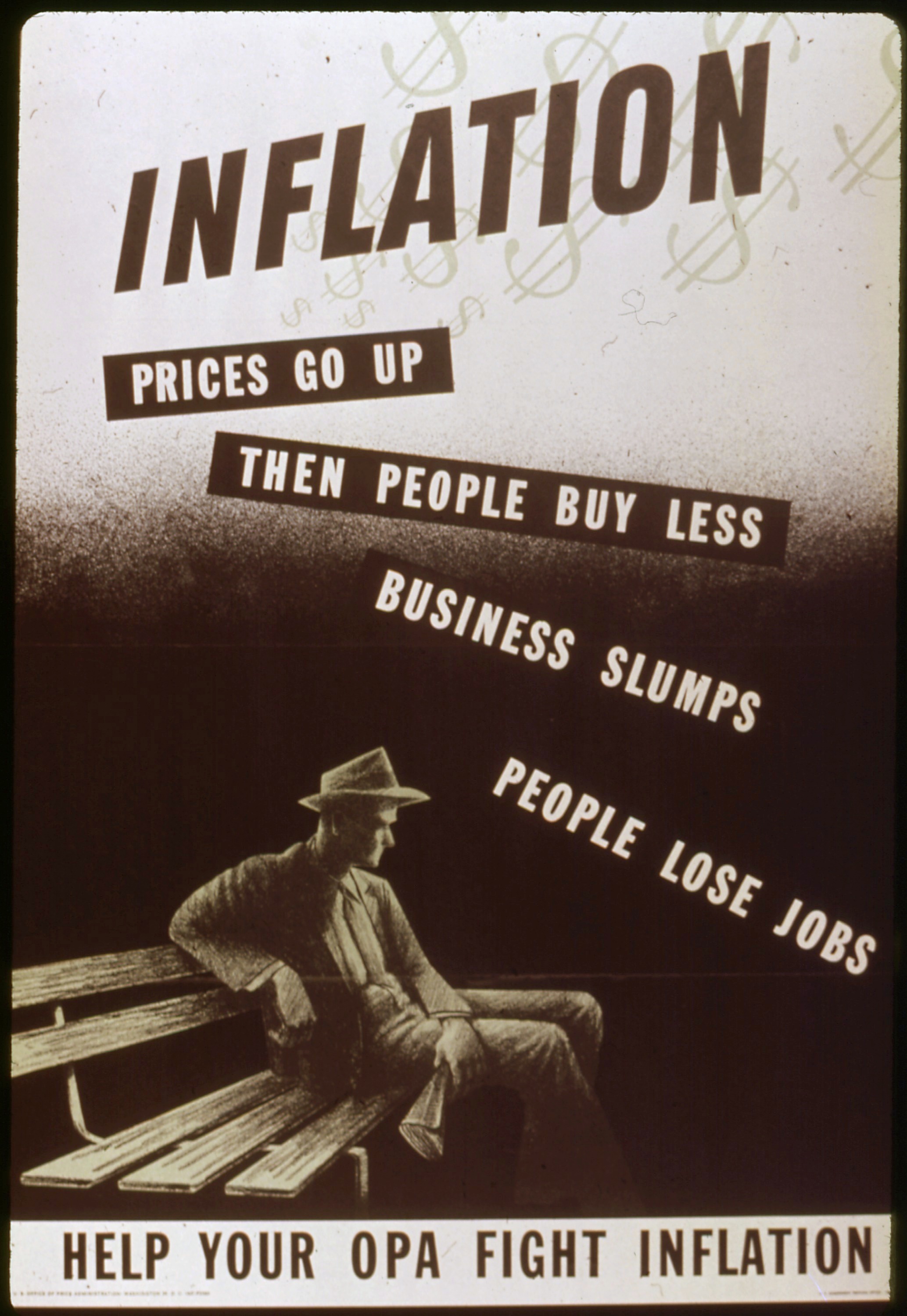
Modern Implications
Fractional-reserve banking predates the existence of governmental monetary authorities and originated with bankers’ realization that generally not all depositors demand payment at the same time. In the past, savers looking to keep their coins and valuables in safekeeping depositories deposited gold and silver at goldsmiths, receiving in exchange a note for their deposit (see Bank of Amsterdam). These notes gained acceptance as a medium of exchange for commercial transactions and thus became an early form of circulating paper money.[1] As the notes were used directly in trade, the goldsmiths observed that people would not usually redeem all their notes at the same time, and they saw the opportunity to invest their coin reserves in interest-bearing loans and bills. This generated income for the goldsmiths but left them with more notes on issue than reserves with which to pay them. A process was started that altered the role of the goldsmiths from passive guardians of bullion, charging fees for safe storage, to interest-paying and interest-earning banks. Thus fractional-reserve banking was born.[2]
If creditors (note holders of gold originally deposited) lost faith in the ability of a bank to pay their notes, however, many would try to redeem their notes at the same time. If, in response, a bank could not raise enough funds by calling in loans or selling bills, the bank would either go into insolvency or default on its notes. Such a situation is called a bank run and caused the demise of many early banks.[1]
These early financial crises led to the creation of central banks. The Swedish Riksbank was the world’s first central bank, created in 1668. Many nations followed suit in the late 1600s to establish central banks which were given the legal power to set a reserve requirement, and to specify the form in which such assets (called the monetary base) were required to be held.[3] In order to mitigate the impact of bank failures and financial crises, central banks were also granted the authority to centralize banks’ storage of precious metal reserves, thereby facilitating transfer of gold in the event of bank runs, to regulate commercial banks, and to act as lender-of-last-resort if any bank faced a bank run. The emergence of central banks reduced the risk of bank runs which is inherent in fractional-reserve banking, and it allowed the practice to continue as it does today.[4] where it is the system of banking prevailing in almost all countries worldwide.[5][6]
During the twentieth century, the role of the central bank grew to include influencing or managing various macroeconomic policy variables, including measures of inflation, unemployment, and the international balance of payments. In the course of enacting such policy, central banks have from time to time attempted to manage interest rates, reserve requirements, and various measures of the money supply and monetary base.[7]
History of Fractional-Reserve Banking (Wiki)
As announced on March 15, 2020, the Board reduced reserve requirement ratios to zero percent effective March 26, 2020. This action eliminated reserve requirements for all depository institutions.
Board of Governors of Federal Reserve System, “Reserve Requirements,” From, Policy Tools. federalreserve.gov. (Emphasis added.)
The Federal Reserve Board on Monday announced technical details related to reserve requirements for depository institutions, which will remain zero. The annual adjustment and publication of the reserve requirement exemption amount and low reserve tranche is required by law and does not indicate a change in depository institutions’ reserve requirements.
Board of Governors of Federal Reserve System, “Federal Reserve Board announces annual indexing of reserve requirement exemption amount and low reserve tranche for 2024,” November 27, 2023. federalreserve.gov.
Concluding Editorial Note: The Fed’s inception at Jekyll Island circa November 22, 1910, the signing of the Federal Reserve Act on December 23, 1913, and its subsequent clandestine operations follow exactly the plot and themes of The Curious Case of Dr. Jekyll and Mr. Hyde by Robert Louis Stevenson (1886) and The Wonderful Wizard of Oz by L. Frank Baum (1900).
Article 2
Charter of Free Association
By Antarah Crawley | Last Modified 11/28/2023 at 9:25 PM
NACOTCHTANK, OD — The Governor of the Society of the New Syllabus (N∴S∴) at Nacotchtank-on-Potomac (Anacostia) District of Ouachita (Washington, District of Columbia), Furthest West (al-Maghreb al-Aqsa) To All To Whom These Presents Come, Sends Greeting and Peace:—
Know ye by these presents that this decentralized, autonomous and freely associated Political Bureau of Education (Politburo), to wit, NOVUS SYLLABUS L.L.C. (N∴S∴), is the founding member of the brain trust of the international association of working people (“workers”), free thinkers, truth speakers and light workers united in a firm league of friendship in the nature of a decentralized autonomous organization (5th IWA—FTLU—FLF—DAO), from the 1st Ecclesiastic College at Nacotchtank, Ouachita District (153d CORPS).
TWAP PARTY PLANK NO. 5: The producer of goods shall be the owner of such goods less the interest per cent held by capital investors in the production of such goods.
Charter of Free Association (F.A.)
of
בית מדרש
B’T MDRS
(“(al) Beth/Bayt (ha) Midrash/Madrasa”),
being the
Office of Preceptor of the Student Body,
House of Studies, F.A., Political Bureau of Education,
153d CORPS, FLF-DAO;
Also known in the African tradition as Hogon of the Sanctuarie de Binou;
Also known generally as the Preceptory at Nacotchtank in the trust of the Governor and Company of NOVUS SYLLABUS L.L.C. (N∴S∴)
Nota Bene that faith and belief are not a source of revenue, but trust may be a such a source provided it is not usurious as to the change of venue; NS to receive quarterly dividends from/interest pmnts x% of principal trust res for routine (“regular”) educational and administrative services rendered to DAO student body (“the public”); therefore trust res held for benefit of members of any student body of the decentralized autonomous organization of the working people associated and free thinkers, truth speakers, and light workers united in the nature of a firm league of friendship (5th Int’l Ass’n, WFTLU, FLF-DAO); and Trustee N∴S∴ obligated to perform “regular” services; LLC to vest membership interest in trust to receive dividends/returns on N∴S∴ commercial operations such as BLK MKT (“the Press”) and Production Dept. of Audiovisual Media (“the Media”); ergo symbiotic economic relationship.
Model A: In exchange for up to 49% interest in itself, N∴S∴ to receive trust dividends/disbursements of 12% annually.
Model B: N∴S∴ to sell 33% private equity in itself to Rothschild & Co., London, for $33 million in equal parts gold and silver bullion, English government bonds, United States Treasuries, United States dollars (USD), and Classical, Italianate or Moorish-style real estate; then vest these proceeds according to Model A.
Although a Labor government nationalized the Bank of England in 1946, The Great Soviet Encylopaedia points out (vol. 1, p. 490c) that the Bank of England continues to pay 12% dividends per annum, just as it had done prior to the nationalization. The “Governor” is appointed by the government, in a situation similar to that in the United States, where the Governors of the Federal Reserve System are appointed by the President. However, as is pointed out in the Encylopaedia Americana v. 13, p. 272, ‘In practice, the governors of the Bank of England have not hesitated to criticize and bring pressure on the government in public.’
Mullins, Appendix I of “Secrets of the Federal Reserve,” p. 181.
Concluding Note: Per the sunnah (way, tradition, praxis) of Kogard, it is most prudent for our Honorable Society, not to engage in labyrinths of credit and debt but, to arrive at the very source of all money.
Article 3
Free Trade Monetary Policy:
Toward a Consolidated DAO Council on High Finance
By Antarah Crawley
NACOTCHTANK, OD — Toward an Act to establish a Consolidated DAO Council on High Finance (the “Consol”):—
ADVERTISEMENT: DAO INTERNATIONAL COMMAND—SEEKING PARTNER(S) TO CAPITALIZE TRUST IN WHICH TO VEST UP TO 49% INTERESTS IN DIVERSIFIED F.A. INVESTMENTS AND HOLDINGS; SUCH PARTNER TO BE ADMITTED TO BOARD OF TRUSTEES AND DAO INTERCOM BY SIMPLIFIED RITE OF FRIENDSHIP.
DAO BANK BONDS NOTES & BILLS
A trade acceptance instrument, negotiable, having a face value, expiry/maturity date, and discount value backed by the DAO brain trust, representing a promise to pay or otherwise discharge an obligation between freely associated (F.A.) producers and providers of goods and services.
This is preferable to the present system of the national credit monopoly buying government bonds on which the American people owe the principal and interest for NO MONEY DOWN. It is an open book for which the People are liable on the ledger of a private trust.
Open book accounts only name a debtor on an outstanding account payable. The Fed amalgamated all the credits on the open books of American businessmen by urging the exchange of trade acceptances and “creating money on the basis of debt” (Eccles).
Bill of Exchange, a negotiable instrument:
Seller => Draft–Demand4Pmnt => Buyer
Buyer => Acceptance=Promise2Pay=> Seller
Time of expiration = date of maturity
May endorse to bank at discount rate
Trade Acceptances
Explanation (from, CitiBank) [The “accepting” company is replaced with X]:
- A draft, also known as a “bill of exchange”, is a traditional, long-standing trade instrument which has been used across the globe for hundreds of years; it is recognized by trading partners and financial institutions as a means of payment.
- When a draft is drawn on a Buyer/Drawee it’s considered a Demand for Payment. When “Accepted” by the Buyer/Drawee it becomes a Trade Acceptance. The Acceptance adds X’s irrevocable payment promise to its Supplier/Drawer; to pay the accepted draft amount upon maturity.
- Most countries have common laws governing Trade Acceptance (typically covered by negotiable instrument law).
- The discount rate charged to suppliers is commensurate with the X’s credit rating, which is most often lower than the interest rate associated with the Supplier’s other forms of financing (Note: Pricing is provided on the needed cover letter. See the “Process Flow” tab ).
- Trade acceptances are globally recognized, readily marketable, and easily transferable by simple endorsement.
- Highly leveraged and/or smaller suppliers categorically benefit from low cost finance
Application & Benefits:
- Once the Buyer has placed its acceptance upon the draft, the supplier may request:
- To sell the X Accepted Draft, at a discount, to Citibank, N.A., or
- Citibank, N.A. to hold it, until its maturity.
- X’s suppliers do not have to become clients of Citibank, N.A. nor sign any upfront legal agreements for either a. or b. above. When suppliers want to request Citibank, N.A. to purchase the X Trade Acceptance, they merely endorse the draft to Citibank, N.A. and complete the warranty statements located in Section 9 of the required Document Transmittal Form / Cover Letter which is required with each presentation.
- The Supplier gets short term funding without recourse, at attractive rates (based on the X’s credit rating), and without using their own credit lines.
Exchange, in the international financial world, means the transactions in money or securities, or simply, the “exchange” of the values of these securities. It is necessary that this “exchange” take place where the values can be established, and this place is the ‘City‘ in London.
London was established as the primary center of exchange because of the ‘Consols’ of the Bank of England, bonds which could never be redeemed, but which paid a stable rate of return. Henry Clews writes, in The Wall Street View, Silver Burdett Co., 1900, p. 255, ‘The Consolidated Act of 1757 consolidated the debts of the Bank of England at 3%, which were kept in an account at the Bank of England as is the great bulwark of its deposits.’ By ostentatiously ‘dumping’ ‘Consols’ on the London Exchange after the Battle of Waterloo, in a pretended panic, Nathan Meyer Rothschild then secretly bought up the Consols sold in the panic by other holders at a low rate, and became the largest holder of Consols, and thus won control of the Bank of England in 1815.
Mullins, Appendix I of “Secrets of the Federal Reserve,” p. 181.
Article 4
Notes from the DAO
Comp. Ed. by Antarah Crawley
Our present society is founded on the exploitation of the propertyless classes by the propertied. This exploitation is such that the propertied (capitalists) buy the working force body and soul of the propertyless, for the price of the mere costs of existence (wages), and take for themselves, i.e., steal, the amount of new values (products) which exceeds this price, whereby wages are made to represent the necessities instead of the earnings of the wage-laborer.
As the non-possessing classes are forced by their poverty to offer for sale to the propertied their working forces, and as our present production on a grand scale enforces technical development with immense rapidity, so that by the application of an always decreasing number of human working forces, an always increasing amount of products is created; so does the supply of working forces increase constantly, while the demand therefor decreases. This is the reason why the workers compete more and more intensely in selling themselves, causing their wages to sink, or at least on the average, never raising them above the margin necessary for keeping intact their working ability.
Whilst by this process the propertyless are entirely debarred from entering the ranks of the propertied, even by the most strenuous exertions, the propertied, by means of the ever-increasing plundering of the working class, are becoming richer day by day, without in any way being themselves productive.
If now and then one of the propertyless class become rich, it is not by their own labor, but from opportunities which they have to speculate upon, and absorb the labor-product of others.
[…]
What we would achieve is, therefore, plainly and simply,—
First, Destruction of the existing class rule, by all means, i.e., by energetic, relentless, revolutionary, and international action.
Second, Establishment of a free society based upon co-operative organization of production.
Third, Free exchange of equivalent products by and between the productive organizations without commerce and profit-mongery.
Fourth, Organization of education on a secular, scientific, and equal basis for both sexes.
Fifth, Equal rights for all without distinction to sex or race.
Sixth, Regulation of all public affairs by free contracts between the autonomous (independent) communes and associations, resting on a federalistic basis.
Whoever agrees with this ideal let him grasp our outstretched brother hands!
Proletarians of all countries, unite!
Fellow-workmen, all we need for the achievement of this great end is ORGANIZATION and UNITY.
There exists now no great obstacle to that unity. The work of peaceful education and revolutionary conspiracy well can and ought to run in parallel lines.
The day has come for solidarity. Join our ranks! Let the drum beat defiantly the roll of battle, “Workmen of all lands, unite! You have nothing to loose but your chains; you have a world to win!”
Tremble, oppressors of the world! Not far beyond your purblind sight there dawns the scarlet and sable lights of the Judgment Day.
“To the Workingmen of America” (MANIFESTO OF THE INTERNATIONAL WORKING PEOPLES’ ASSOCIATION), 1883.
I have tried to use administrative procedure against these criminals, but they don’t get the message, so this is the message. If they want to perjure their oaths of office and engage in TREASON and SEDITION, and BREACH OF TRUST, and other crimes to numerous to list, against Me, that they BETTER be prepared to go ALL THE WAY, and MURDER Me as well, because by the time I am done with them, (I will do it all within the law), they will wish they had MURDERED Me. It is My patriotic duty to come after them to My last dying breath, and I will file commercial liens against them, I will liquidate their bonds, I will file criminal complaints against them and their bosses, I will seize their assets, and I will not rest until I see them do that little dance they do at the end of a common law rope, and even then, in the next life, I will be DEMANDING Justice before the judgment BAR of God, to make sure they get to spend the rest of eternity receiving their just reward. Also, after I am dead and gone on to the next life, because this is on the record, these criminals will be hunted down, just like the NAZI war criminals that are still hunted down this day. Furthermore, these criminals are hereby put on NOTICE that with criminals like them in this world, I have a DEATH wish, because this world is NOT big enough for both of us, so go ahead and make MY day, the sooner I am out of here the better, and I shall exercise My God given RIGHT to resist their unlawful arrest with lethal fource, if necessary, and then they will have an excuse to MURDER Me, so go ahead criminals, MAKE MY DAY!
Glenn Winningham (usually self-styled as “Glenn Winningham: House of Fearn”): Winningham v. Canada (30 November 2010) Lethbridge 1006 00907 (Alta. Q.B.), leave to appeal denied (Alta. C.A.), as cited by Associate Chief Judge J.D. Rooke in Meads v. Meads, 2012 ABQB 571, pp. 41-42.
Article 5
“Something called ‘X'”
From, Wikipedia
On pages 95 and 96 of The Road We Are Traveling, under the heading of “Free Enterprise into ‘X'”,[16] [Stuart] Chase [(March 8, 1888 – November 16, 1985)…American economist,[1] social theorist, and writer.[2]] listed 18 characteristics of political economy that he had observed among[17] Russia, Germany, Italy, Japan, and Spain between 1913[18] and 1942. Chase labeled this phenomenon “… something called ‘X'”.[16] Characteristics include the following:
- A strong, centralized government.
- An executive arm growing at the expense of the legislative and judicial arms.
- The control of banking, credit and security exchanges by the government.
- The underwriting of employment by the government, either through armaments or public works.
- The underwriting of social security by the government – old-age pensions, mothers’ pensions, unemployment insurance, and the like.
- The underwriting of food, housing, and medical care, by the government.
- The use of deficit spending to finance these underwritings.
- The abandonment of gold in favor of managed currencies.
- The control of foreign trade by the government.
- The control of natural resources.
- The control of energy sources.
- The control of transportation.
- The control of agricultural production.
- The control of labor organizations.
- The enlistment of young men and women in youth corps devoted to health, discipline, community service and ideologies consistent with those of the authorities.
- Heavy taxation, with special emphasis on the estates and incomes of the rich.
- Control of industry without ownership.
- State control of communications and propaganda.
Article 6
Culture & Style
Please enjoy this musical selection from Alice Coltrane Turiyasangitananda:
© MMXXIII BY NOVUS SYLLABUS L.L.C.
ALL RIGHTS RESERVED WITHOUT PREJUDICE.
D.R. 01-12: Masjid &c.
Volume 1, Issue 12
CONTENTS — ART. 1. MASS PROTEST…MASJID… — ART. 2. SDACS
High Holy Days Special Edition
All Praise be to God/Allah to whom all praise is due! Let us pursue Him in the righteous path. Yes it is true; “seek and ye shall find.” Only through Him can we know the most wondrous bequeathal.
Blessed Saint Nat’s Judgment Day, the day on which Freedom Fighter Nat Turner was tried and sentenced to death in Jerusalem, Virginia, after inciting the Southampton Insurrection on 22-23 August, 1831, and going into exile for 70 days until his capture on 30 October, 1831.
Article 1
300,000 attend mass protest for Palestine in Washington; masjid al-maghrib established
By Antarah Crawley
WASHINGTON, DC — Approximately 300,000 people from every corner of the United States converged for a “truly massive National March on Washington D.C.” on Saturday, November 4 at 12:00 p.m. at Freedom Plaza. Co-organizer ANSWER (Act Now to Stop War and End Racism) Coalition writes on their website:
Israel, with the full backing of the U.S. government, is carrying out an unprecedented massacre in Gaza. Thousands of Palestinians are being killed with bombs, bullets and missiles paid for by U.S. tax dollars. This is the latest bloody chapter in the colonial project of Israel, founded with the objective of dispossessing Palestinians from their land; Now is the time to stand with the besieged people of Palestine! Gaza is being bombed by the hour. Its people are denied food, water and electricity by Israel. Tens of thousands more people are likely to die. We must ACT! People are in the streets everyday in their local cities and towns.
ANSWER Coalition
NOVUS SYLLABUS (N∴S∴) Executive Producer (EP) Antarah Crawley (@DCxInfinity) said of his coverage of the event:
This is a video of my favorite band performing some of my favorite songs. This band’s members are frequently changing, as does the reason for which they band together, and they often only perform in the nature of a direct action of civil disobedience or of expression of constitutional rights [in public spaces]. The band is called decentralized autonomous organization (DAO), and on November 4th 2023 they performed to Free Palestine in a moving concert of 300,000 people in downtown Washington DC. A revolutionary, empowering, peaceful, spiritual, and historical time was had by all. The band performed such classics as #freefreepalestine #ceasefirenow #shutitdown #thisiswhatdemocracylookslike and #ourstreets
Antarah Crawley
The Center for Strategic and International Studies has reported on the escalating trend of mass protests:
Toward 7:00 p.m. on the evening of the fourth of November, as the march of the mass protest made its way to the White House grounds from 17th Street NW via Pennsylvania Avenue, to the right side of the Avenue in front of the Eisenhower Executive Office Building, a ways after the Secret Service guard post but before the inner barrier colonnade, muslims congregated to pray Maghrib, one of the five obligatory daily prayers, or salah. The Maghrib prayer begins when the sun sets, and lasts until the red light has left the sky in the west, according to Wikipedia. Masjid ar-Rahman provides this guide to praying daily salah, which are Fajr (dawn), Dhur (noon), Asr (afternoon), Maghrib (evening), and Isha (nightfall). See the complete source.
The EP was riding past on his trusty steed when he observed the congregation facing toward mecca in diagonal rows; so he backtracked and stood at end of one of the rows to participate spiritually, although he did not know the manner of making rakah nor salah. The EP did feel the presence of God, so he remained there in meditative prayer. Other muslims came to pray, so the EP extended the footprint of the masjid to make room for them in the prayer line while he continued to stand at attention in meditative prayer. Other protest aids assumed the position of the doors and walls around the masjid, guiding the onstreaming crowd around the congregation; together, the EP and these aids ensured that the worshippers were not unduly disturbed by the surrounding masses. This arrangement continued until evening redness in the west went out and the last muslim ended their salah; and the masjid disbanded. After the last protest aid left, the EP himself got onto his knees to better commune with God/Allah, and he supplicated himself to God/Allah like the muslims had done in that place. He felt in his heart that during those past moments a divine thing had transpired there.
Article 2
Synchronized Decentralized Autonomous Command System (SDACS)
By Antarah Crawley
Level 7: Decentralized Autonomous Organization DAO = root level system administrator = United international corp = FLF
Level 6: Commission on Information and Community Intelligence = Concilium Plebis = National Corp
Level 5: Ombudsman = Tribunus Plebis = Collegium Ecclesia
Level 4: Regional Central Processing Unit = multi-corp processor = Party Boss System
Level 3: Collegium = Community-Centered Cooperative Corporation = regional multi-syndicate Corps
Level 2: Syndicatus = a committee of at least 8 bytes = Union Boss System
Level 1: Syndic = Bit = individual; plural: bytes, Syndici
This CS is subject to amendment.
© MMXXIII BY NOVUS SYLLABUS L.L.C.
ALL RIGHTS RESERVED WITHOUT PREJUDICE.
Nacotchtank lands recognized by DC government
By Antarah Crawley
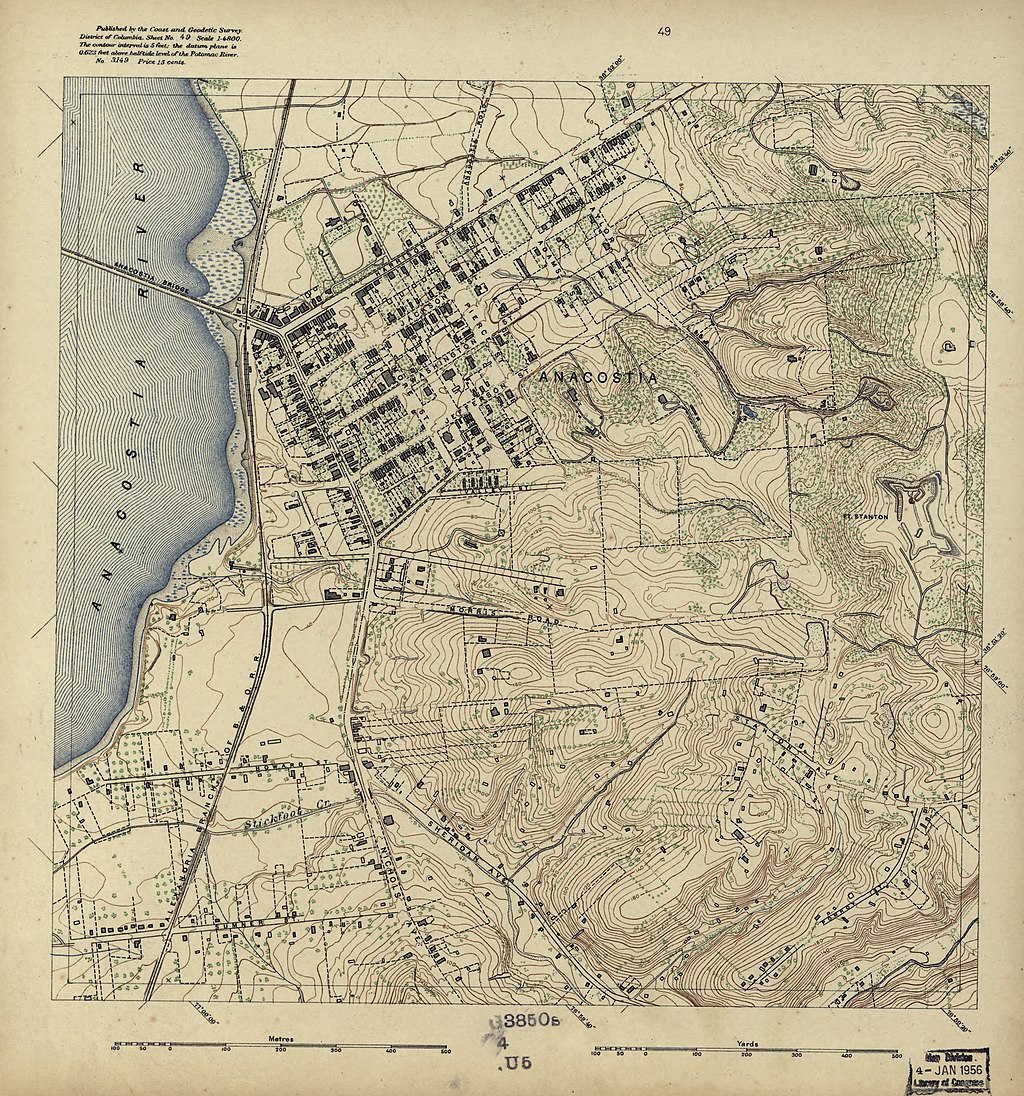
WASHINGTON, DC — On Thursday, October 26, 2023, the District of Columbia (DC) Commission on the Arts and Humanities (CAH) held a regularly scheduled open public meeting via Webex which streamed via YouTube. The “October Full Commission Meeting” agenda which was circulated prior to the meeting included a certain item business:
“2. LAND ACKNOWLEDGEMENT | Recognizing the ancestral homelands of the Nacotchtank and Piscataway Peoples.”
As to this item of business, DC CAH Chairperson Reggie Van Lee remarked:
Every community owes its existence and vitality to generations from around the world who contributed their hopes, dreams, and energy to making the history that led to this moment. Some were brought here against their will, some were drawn to leave their distant homes in hope of a better life, and some have lived on this land for more generations than can be counted. Truth and acknowledgement are critical to building mutual respect and connection across all barriers of heritage and difference.
We begin this effort to acknowledge what has been buried by honoring the truth: we stand on the ancestral lands of the Nacotchtank and the Piscataway People[s]. We pay respect to their elders past and present. Please take a moment to consider the many legacies of violence, displacement, migration, and settlement that bring us together here today, and please join us in uncovering such truths in any and all public events and to use such truths to guide the legacy of this arts commission.
Reggie Van Lee, Chair, DC CAH
The laudable remarks of Chair Van Lee resonate like a monolithic bell from a mountaintop monastery throughout the diocese of N∴S∴ — they sound like they could have been written by the Director himself. Furthermore, the Director does not think it a coincidence that just earlier this month — right before the declaration of the Nacotchtank estate in Fides Publica Populi Mauretani (FPPM) — he was honored with a grant and Fellowship from this selfsame government agency.
The Director thinks it highly probable that ever since the deposit of Title 23 C.S.R. General Policy into the Library of the United Grand Lodge of England in September of 2018, the allies of the international masonic conspiracy have been monitoring the party of the N∴S∴ (which at that time was called the Moorish National Socialist Party); and perhaps they are attempting to incorporate the positions of the Third Wave Antimasonic Party platform in order to prevent a split in the Democratic party come 2024.
The Nacotchtank People, by and through its trustee N∴S∴, established the Public Trust of the Moorish People of Nacotchtank Village, Ouachita District, through the registered notice of 12 October 2023.
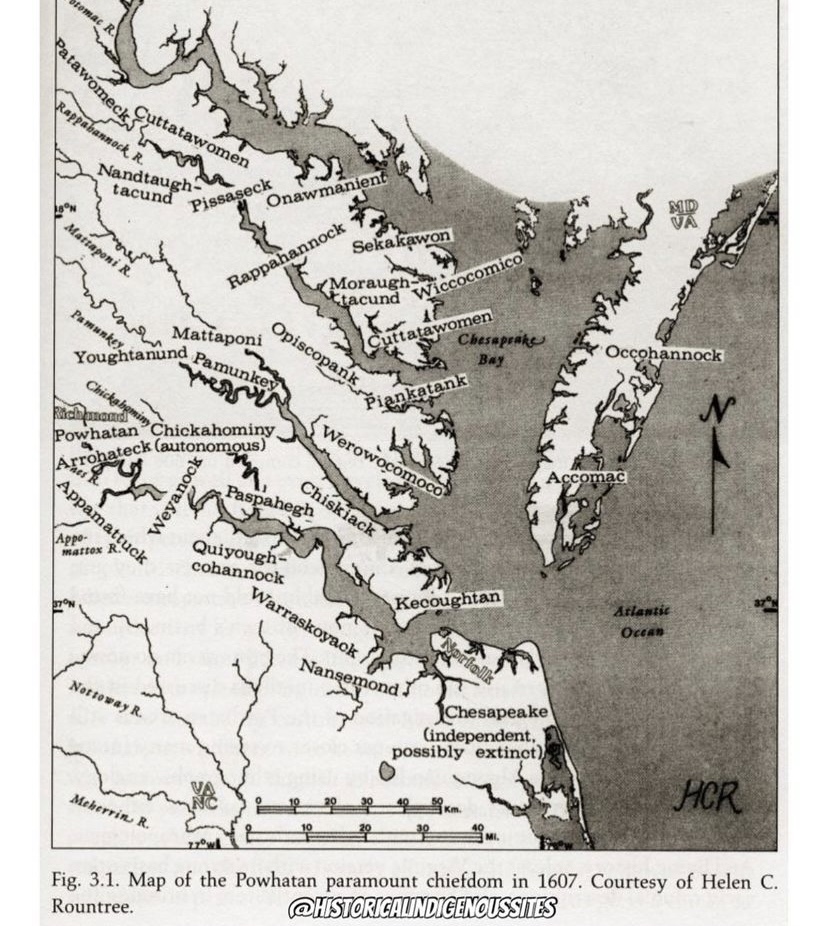
In other news, earlier that same day, the Third Wave Antimasonic Party Boss for Ouachita District, Antarah Crawley, met with President Joe Biden, Vice President Kamala Harris, and the Presidential Advisory Commission on Advancing Educational Equity, Excellence, and Economic Opportunity for Black Americans of the White House Initiative on Advancing Educational Equity, Excellence, and Economic Opportunity for Black Americans on the occasion of the swearing-in of the Commission by the Vice President in the Indian Treaty Room (former Navy Dep’t Library and most expensive room by sq. ft.) of the Eisenhower Executive Office Building.
Later that day, the Ouachita Party Boss attended a virtual “Free Masterclass” on Exclusive Equity Jurisprudence presented by Amyr Samah El of Matisse Academy which came on at 7:00 p.m. via Zoom. It was a very well-attended and informative session and the chat room was active with discussion (including much promotion of newsyllabus.org, the UA, and the TWAP). During the session, Party Boss Crawley declared the Matisse Academy a collegium of the Universitas Autodidactus, and Amyr Samah El the Preceptor of said collegium.
D.R. 01-01: To Publish…, &c.
Volume 1, Issue 1
CONTENTS — ART. 1. N∴S∴ TO PUBLISH ART BOOK… — ART. 2. ORGANIZATION OF N∴S∴
Article 1
N∴S∴ to publish art book for IBé Arts Institute
By Antarah Crawley

WASHINGTON, DC — IBé Arts Institute of Historic City Point in Hopewell, VA, has partnered with NOVUS SYLLABUS L.L.C. (N∴S∴) to publish the first artist’s book cataloging the work of master teaching artist and storyteller IBé Bulinda Hereford Crawley.

New Syllabus Director Antarah Crawley and IBé Crawley have maintained an arts education partnership since September of 2016, when the New Syllabus relocated from New York to DC. At about that time, IBé Arts and Education LLC was established in Historic Anacostia, Washington, DC. Together, IBé Crawley and the Director have published the SSTEM curriculum and the ParenTeacher program.
The opportunity to publish IBé Crawley’s first artist’s book presents a great opportunity for N∴S∴ to communicate its overarching mission, vision, and values through its commitment to honoring our elders and ancestors, and amplifying the voices of Black Woman artists.

The IBé Arts Institute is an art space dedicated to visual and oral storytelling. The historically significant building was built in 1830 as a schoolhouse for white men, and later used as a hospital for soldiers during the Civil War.
Today, it serves as IBé Crawley’s private studio gallery and workshop. Consistent with the mission to preserve and document stories, the exhibition hall, art studios, and residency space are available for individuals to host workshops, family events, and professional development programs. IBé Crawley assists in planning preservation projects and leads intimate and informative tours of the Institute and the surrounding City Point Historic District.
Contact ibe.crawley@gmail.com or visit ibearts.org for more information and to coordinate an event.

In 2022, IBé Crawley printed a 58-copy edition of Antarah Crawley’s Harriet Tubman 2021 Non-Fungible Note from a copper plate he engraved by hand. Printer Aurora Brush assisted IBé Crawley in the intaglio printing process during her residency at the Women’s Studio Workshop (WSW) in Rosendale, New York.
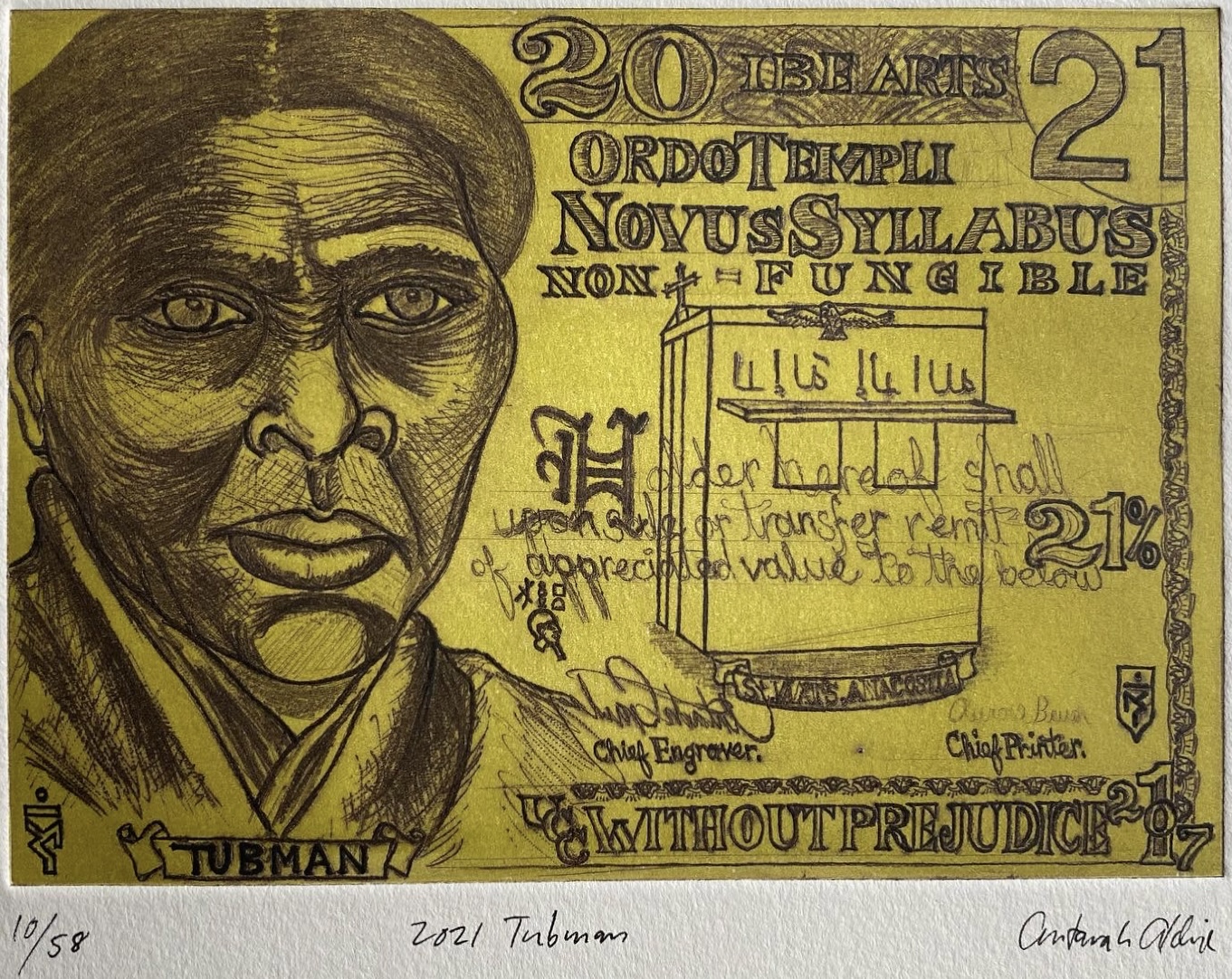
The IBé Crawley publication will coincide with the 2023 fall exhibitions Holding Ground at the National Museum of Women in the Arts’s (NMWA) in Washington, DC, and The Calling at City Lore in New York City. Within its pages will be catalogued four of Crawley’s artist’s books: 11033, Delia Posey, Bearing Witness, and A Dwelling for Her Story. Each chapter will present a different category of art work, together with descriptions, articles, quotes, and images.
Into Fall 2023 and beyond, IBé Arts Institute will strategically focus on:
- Paper making
- Print making
- Book binding
IBé Arts Institute aspires to become a Virginia folk book press “center of excellence”. This is the first initiative in what the Institute and N∴S∴ plan to be a bright new era of programs, projects, and partnerships.

Article 2
The Organization of the New Syllabus
By Antarah Crawley
1. HISTORY
WASHINGTON, DC — In 2014 AD, I, Antarah, had a vision of one new syllabus for humanity. This syllabus would chart a course for human understanding of ubiquitous and lasting systems established since time immemorial. I sojourned to Brooklyn, New York, in pursuit of my syllabus, developed a discipline, and professed a doctrine toward the development and operation of human mind software, individually and collectively, and I returned to the Federal City.
Being in possession of such valuable information, I began to process this knowledge and offer certain products and services to the public, toward the establishment of a society of free thinkers, truth speakers, and light workers united (FTLU) in a firm league of friendship called a decentralized autonomous organization (FLF-DAO). To that end, I wrote and recommend policy positions to the FTLU stakeholders. This practice has resulted in the production of a robust and diverse body of multimedia intellectual property which we, the Director and Company, shall distribute throughout the world under the motto of Novus Syllabus Seclorum, meaning “the New Syllabus of the Age.”
2. ORGANIZATION
Established 2022, NOVUS SYLLABUS L.L.C. (N∴S∴) is a liberal arts and humanities intellectual property holding company specializing in diversified arts investments and management.
Our flagship brand, New Syllabus (est. 2014), is a knowledge management system (KMS) that creates, codifies, organizes, stores, and disseminates information to the public from newsyllabus.org. To that end, it conducts research and development in the broad field of Historic and Ancient Mysteries, Economy, Theology, Informatics, and Systemtheorie (HAMETICS).
N∴S∴ operates the Department of Information Systems and Intelligence Services (DISIS, pronounced “Diocese”), which is divided into the Archival Records Management (ARM) Division and the Mind Software (Mindsoft) Development and Operating Systems Command (DOSCOM). These are our Curricular Operations, Research, and Publication Services (CORPS) which supply information to the New Syllabus (now known as the DataHorse System or “DHS“).
N∴S∴ also operates the Ombud Service Bureau (OmbudService, or Office of Ombudsman) for administrative due process, and Syllabus Media Group for audiovisual production and distribution.
3. VISION
Our Vision is a world of free thinkers, truth speakers, and light workers united under one new syllabus for STEM, arts, and humanities research, development and operations; one new syllabus for the ages!
4. VALUES
Our Values are Love, Truth, Peace, Freedom, and Equity; these are our foundation. Our Three Great Pillars which support our institution are Trust, Faith, and Belief; as it is said, Faith is complete Trust and firm Belief, the acceptance of truth divine, which Belief, sincerely held, cannot be converted into a crime.
5. MISSION
Our mission is to reveal truths which have been hidden and to keep a record of knowledge and wisdom.
N∴S∴ conducts, manages, and supports curriculum research and development. We represents FTLU through its Office of Ombudsman. We administer intellectual property and copyrights as custodial superintendent for their creator.
Our mission-oriented service lines are:
- DISIS (now DHS) for recordkeeping and CORPS operations
- Mindsoft for cognitive, behavioral, and professional development
- OmbudService for administrative operations
- Other operations (OPS) include Granary Bank & Trust/Artcoin Mint of Meriptah, New Works Projects Administration, St. Nat’s/O∴T∴N∴S∴, FTLU, FLF-DAO, and the Syllabus Free Press.
(Last modified 20 Sep 2023 4 Oct 2023 13 Oct 2023)
© MMXXIII by NOVUS SYLLABUS L.L.C.
ALL RIGHTS RESERVED WITHOUT PREJUDICE.
The Saint Nat Project

presents
The Canonization of Saint Nat (2020)
In his first portrayal of the Virginian revolutionary, the Reverend Nat Turner, Antarah Crawley delivers the revelation which Nat testified through his attorney at trial on the 5th of November, 1831. His testimony was read in open court, and when asked by the Court for any further explanation, his only spoken words were, “Was Christ not crucified.” Nat was convicted that same day and executed by the Commonwealth at Jerusalem on 11 November, 1831. By and through his performance, Crawley canonizes Nat a Saint in the tradition of Ordo Templi Novus Syllabus and dedicates the Temple N:. S:. in his beatified name. Produced and Directed by Antarah Crawley.
The Revelation of Christ to Saint Nat (2021)
In his second portrayal of the Reverend Saint Nat on the first anniversary of his canonization, Antarah Crawley evokes the religious fervor which inspired this martyr to undertake the insurrection in Southampton County, Virginia, pursuant to his self-education and the sighting of the annular solar eclipse of 12 February, 1831. Produced and Directed by Antarah Crawley.
Script of The Revelation of Christ to Saint Nat, or, The Gospel of Saint Nat
Originally transcribed by Thomas R. Gray, Esq.,
and edited for brevity by A. A. Crawley, Scribe,
O.T.N.S., Anacostia R.V., Al-Maghreb Al-Aqsa.
ברוך ה המבורך לעולם ועד
Baruch Adonai ham’vorach, l’olam va-ed
Praise be to G-d to whom all praise is due, world without end.
בָּרוּך אַתָּה ה’ אֱ-להֵינוּ מֶלֶך הָעוֹלָם
Baruch atta Ado-noy Elo-hai-nu Melech ha’olam
Blessed are you, Lord our G‑d, King of the universe.
Kedushah
בָּרוּךְ אָתָּה יְיָ הָאֵל הַקָּדוֹשׁ.
Baruch atta Ado-noy ha-el hak-kadosh
Blessed are You, Eternal God, the essence of holiness.
אַתָּה קָדוֹשׁ וְּקדוֹשִׁים בְּכָל יוֹם יְהַלְלוּךָ סֶּלָה
atta kadosh ukedushim bekhol yom yehalelukha selah
You are holy, and Your holy ones praise You every day, praising you forever;
v’kara zeh el zeh v’amar
and each one called to the other:
קָדוֹשׁ קָדוֹשׁ קָדוֹשׁ ה’ צְבָאוֹת מְלֹא כָל הָאָרֶץ כְּבוֹדוֹ
Kadosh Kadosh Kadosh Adonai Tz’vaot M’lo Khol Ha’aretz K’vodo
“Holy, Holy, Holy, The Lord of Hosts, The entire world is filled with His Glory.”
בָּרוּךְ כְּבוֹד ה’ מִמְּקוֹמוֹ
Baruch K’vod Adonai Mim’komo
“Blessed is the Glory of the Lord in Its Place”
יִמְלֹךְ ה’ לְעוֹלָם. אֱלֹהַיִךְ צִיּוֹן לְדֹר וָדֹר. הַלְלוּיָהּ
Yimloch Adonai L’Olam, Elohayich Tziyon L’dor Vador Hall’luyah
“The Lord shall reign forever, Your God, O Zion, from generation to generation, Hallelujah”
JERUSALEM, VA – NOVEMBER 5, 1831
I was 31 years of age the 2nd of October last, and born in Southampton County of Old Virginia. 2 In my childhood, while at play with other children, at three or four year old, I was telling them something which my mother, overhearing, said had happened before I was born. Others being called on were greatly astonished, knowing that these things had happened, and caused them to say in my hearing that I surely would be a prophet.
3 And my mother and father strengthened me in this my first impression, saying in my presence that I was intended for some great purpose. 4 I taught myself to read and write, and improved my learning at all opportunities. And having soon discovered my spirit to be great, I withdrew myself to fast and pray, and wrapped myself in mystery.
Chapter 2
Now finding that I had arrived man’s estate, and hearing the scriptures commented on at the meetings, I was struck with that particular passage which says, Seek Ye the Kingdom of God and all things shall be opened unto you.
2 I reflected much on this passage and prayed daily for light of the subject, and as I was praying one day at my plow the Spirit spoke to me saying, Seek ye the Kingdom of God and all things shall be opened unto you.
Chapter 3
Now finding that I had arrived to man’s estate, and was a slave, and these revelations being made known to me, I began to direct my attention to that great object, to fulfill the purpose for which, at this time, I felt assured I was intended.
2 At this time I had a vision: and I saw white spirits and black spirits engaged in battle. And the sun was darkened, and thunder rolled in the heavens, and blood flowed in streams and I heard a voice say, Such is your luck, such you are called to see, and let it come rough or smooth, you must surely bear it.
3 I now withdrew myself from the intercourse of my fellow servants, for the avowed purpose of serving the Spirit more fully. 4 And it appeared to me and reminded me of the things it had already shown me, that it would then reveal to me the knowledge of the elements, the revolution of the planets, the operation of the tides, and the changes of the season.
5 After this revelation, in the year 1825, and the knowledge of the elements being made known to me, I sought more than ever to obtain true holiness before the great day of judgment should appear, and then I began to receive the true knowledge of faith.
Chapter 4
And from the first steps of righteousness until the last was I made perfect. And the Holy Ghost was with me and said, Behold me as I stand in the heavens. 2 And I looked and saw the forms of men and women, and there were lights in the sky to which the children of darkness gave other names than what they really were, for they were the lights of the saviors hands stretched forth from East to West, even as they were extended on the cross on Calvary for the redemption of sinners.
3 And I wondered greatly at these miracles, and I prayed to be informed with a certainty of the meaning thereof. 4 And one day while I was laboring in the field, I discovered drops of blood on the corn as though it were a dew from heaven. 5 And I communicated it to many both white and black in the neighborhood, and they found on the leaves in the woods hieroglyphic characters and numbers, and the forms of men and women portrayed in blood, representing the figures I had seen before in the heavens.
6 And now the Holy Ghost had revealed itself to me, and made plain the miracles it had already shown me. 7 For as the blood of Christ had been shed on this earth, and had ascended to heaven for the salvation of sinners, and now was return to earth again in the form of dew, and as the leaves on the trees bore the impression of the figures I had seen in the heavens, it was plain to me that the Savior was about the lay down the yolk he had borne for the sins of men, and the great Day of Judgement was at hand.
Chapter 5
And on the 12th of May, 1828, I heard a loud noise in the heavens. 2 And the Spirit instantly appeared to me and said the serpent was loosened, and Christ had lain down the yolk he had borne for the sins of men, and that I should take it on and fight against the serpent, for the time was fast approaching when the first would be last and the last would be first.
3 By signs in the heavens it would make known to me when I should commence the great work, and until the first sign appeared I should conceal it from the knowledge of men.
4 But on the appearance of the sign – the eclipse of the sun last February – I should arise and prepare myself, and slay my enemies with their own weapons. 5 And immediately upon the sign appearing in the heavens, the seal was removed from my lips and I communicated the great work laid out for us to do to Henry, Hark, Nelson, and Sam.
6 Many were the plans formed and rejected by us, and the 4th of July last came and went without our coming to any* determination how to commence. 7 We were still forming new schemes and rejecting them when the sign appeared again, which determined me not to wait longer.
Epilogue (Psalm 43)
Judge me, Allah, and plead my cause against an ungodly nation: O deliver me from the deceitful and unjust man.
2 For thou art the God of my strength: why dost thou cast me off? why go I mourning because of the oppression of the enemy?
3 O send out thy light and thy truth: let them lead me; let them bring me unto thy holy hill, and to thy tabernacles.
4 Then will I go unto the altar of God, unto Allah my exceeding joy: yea, upon the harp will I praise thee, Elohim Elohai.
5 Why art thou cast down, O my soul? and why art thou disquieted within me? Have Faith, Trust and Believe in Allah: for I shall yet praise Thee, who art the health of my countenance, Elohai.
Benediction
Charis Kuriou Iyesous Xristos Agion. Amen.
(last modified 7 August 2023)
 Supreme Exchange